Workouts Library
Premium training sessions guided by elite coaches for maximum physical conditioning
No Equipment Total Body Workout Fitness Health Track
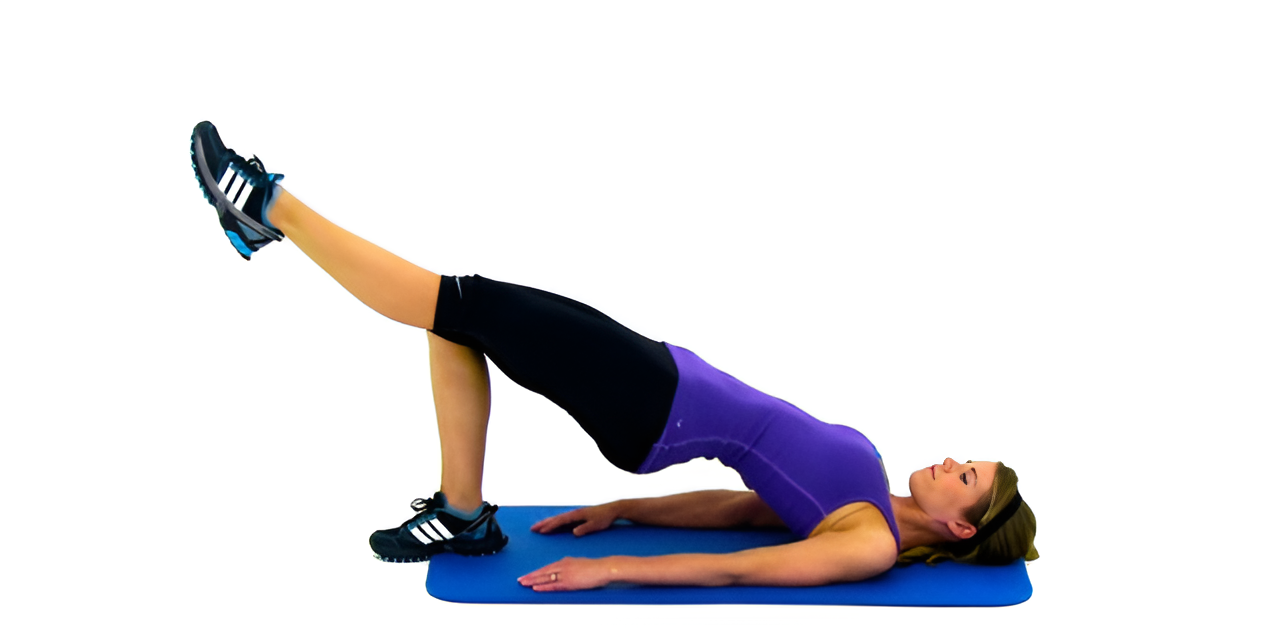
This home workout is a combo of bodyweight cardio and toning moves that target multiple muscle groups simultaneously, helping you increase strength and muscle tone. This routine starts off with a 4 minute Cardio Warm Up. Once your muscles are warmed and your blood is flowing, we move into the core of the workout; 30 minutes of bodyweight toning moves. There are three rounds total. Warm Up, 1 minute each: -Jogging in Place -Rear Lunge + High Knee – 30 seconds on each side -Lateral Jumps -Jumping Jacks Exercises in this routine: -10 Outside Thigh Circles – Lie on your side as if you were going to do a side leg lift. Lift your outside thigh but instead of going straight up and back down, use your straightened leg to “draw” a large circle. Once you reach the starting point, draw another circle, this time in the opposite direction of the first one. Repeat on each leg. This is great for glutes and outer thighs. -10 Crossover Plank Rows – Start in a full push up position, and walk both hands to one side while crossing one leg over the top of the other to tap the ground on the opposite side – at the same time, pull one arm up & back at a 90° in a row. Continue this motion, going back and forth from side to side. You will feel this in your arms, glutes, hamstrings, abs, chest, rear deltoids and rhomboids. -15 Side Cinchers – Go into a side plank, and extend both the top arm & leg fully. Now “pull” them both in together as if you were cinching something. Your elbow should come in towards your side and your knee will do the same. You will feel this in your obliques predominately (top and bottom sides), but it also targets your hip flexors, lats, outer thigh, and glutes. Repeat on each side. -14 Flutter Kick Reaches – Lie flat out on your back with both arms extended overhead, and then crunch upward with one arm towards the opposite leg. Continue alternating reaching diagonally for the toes of the opposite foot. This is a light toning move for your whole body, but your abs take on the brunt of the workload. -10 Scissor Bridges – Lie on your back and go up into a bridge position (place your feet flat on the ground and press through your heels to lift the hamstrings, lower back and glutes up off of the floor). Holding this position, extend one leg straight out. Using a smooth and controlled motion, pull your leg out to the side, and then back in. Repeat for the set number of repetitions before switching to repeat on the opposite side. This is an excellent exercise for glute, hamstring, quadricep, lower back, outer thigh and inner thigh toning. -14 Static Squat Circles – Go into a Ski Squat and extend one leg in front of you. Use that foot to draw a half circle (in each direction) around your body – all while maintaining the squat position. -10 Sidewinder Mountain Climbers + Leg Raises – Start in a full push up position and then jump your feet up towards your head so that they land on one side of your hands. Jump your feet back out to the full push up position before hopping them back up to the other side of your hands this time. Go back out to a full extension and do a leg raise on each leg before starting all over again. This one is a calorie roasting total body workout. Just how many calories does this total body workout burn? Aside from toning you up, giving you a healthy boost of feel good endorphins, and making your stronger, this workout burns a good deal of calories. We estimate that it burns between 7-12 calories a minute, or 245-420 total. Make sure that you cool down and stretch after this workout.
Upper Back, Arms, and Chest Workout 23 Min Tabata Upper Body Workout Fitness Health Track
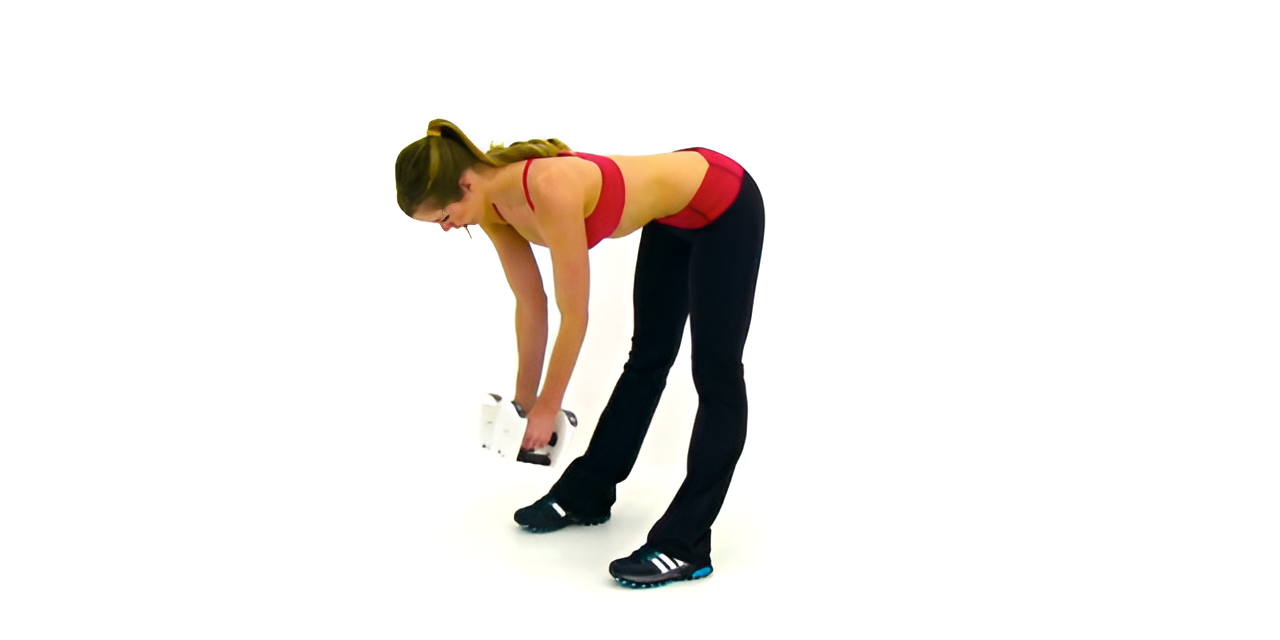
Twenty-second active intervals sound like a piece of cake, but after three times through with these exercises your muscles will be burning. Research has shown that 20 seconds of maximal exertion is the most that the body can take before it’s capacity to sustain that effort (particularly with proper form) starts to drop severely. The combination of the short duration of effort with a short rest interval increases your ability to sustain that maximal effort, which in turn allows you to burn calories at a continuously elevated rate. Workout Structure -3 Minute warm up -6 Upper body exercises done in a Tabata format Printable Routine Warm Up Cardio – 1 Minute of each -High March -Tap Jacks -Side Toe Touch Lunges Tabata Routine: Upper Back, Arms, and Chest Workout 20 Seconds Active, 10 Seconds Rest; 3 Times Bicep Curls – Isolate your biceps with this simple move, make sure that you use perfect form in order to make this exercise effective. Tricep Extensions – Get rid of flabby arms with this tricep toning exercise that also incorporate the upper shoulder (deltoid) muscles. Reverse Flys – Great for strengthening the rear deltoid & rhomboids (across the shoulder blades). Chest Flys – For improving the strength and tone of the pectorals and bicep muscles. Pullovers – Latissimus dorsi, tricep, and chest are all engaged during this move. Overhead Presses – For deltoids & triceps. How many calories does this burn? We estimate that you can burn 5-10 calories per minute of this workout, or 115-230 calories. We know that’s a huge variance, but it’s because the number of calories burned is largely going to depend on how heavy of a weight that you choose to use. Choose a weight that makes it hard to complete the last few reps of each 20 second interval. By the third interval, you should be struggling to lift that weight – however, do not give up proper form of the exercise. Women; do not be afraid to lift a heavy weight that challenges you. As mentioned above, if you choose a heavier weight you’re going to be burning calories at a higher rate, as well as building lean muscle (which bumps up your calorie burn even while you are resting). Because of the lack of certain hormones, women have to try very hard to “bulk up”, and often have to take supplements. Do not avoid lifting heavy weights in an attempt to stay “thin” as it will only end up making it harder to stay lean in the long run. Make sure that you do a cool down & stretch after you finish this workout.
Fitness Blender Cardio HIIT Workout Fitness Health Track
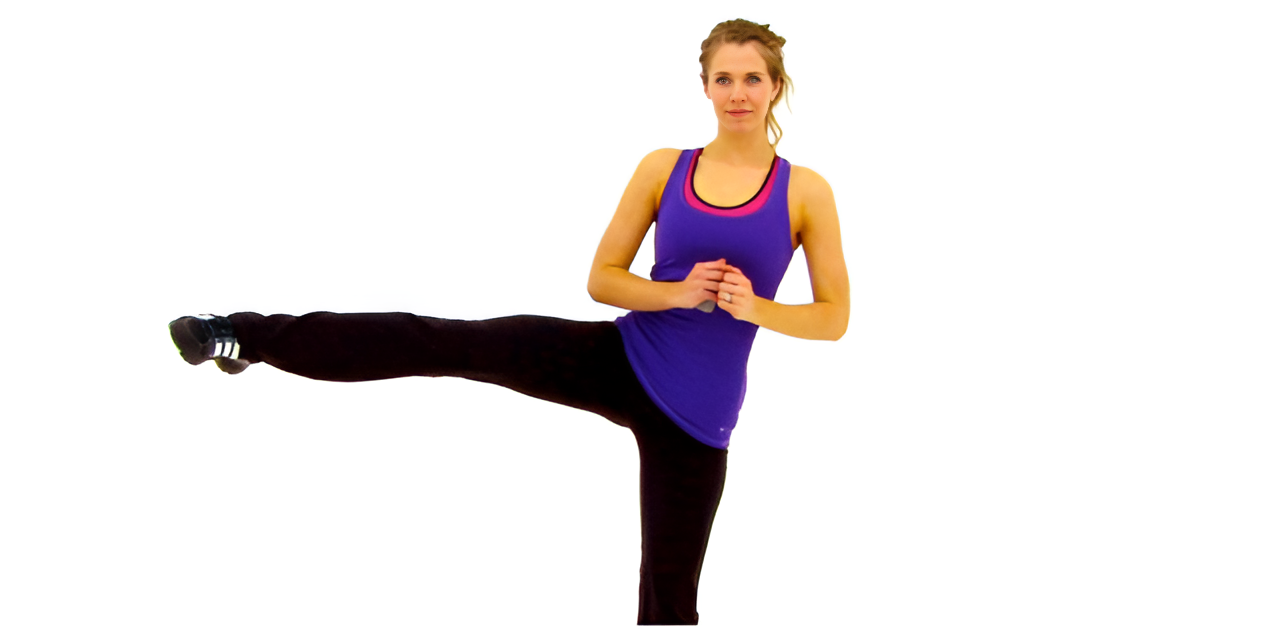
This at home high intensity interval training workout will have you sweating bullets. Here’s how this HIIT routine is broken down: Warm Up We start off with 7 minutes of simple warm up cardio. Even the warm up to this routine is a bit intense, so make sure that you remember that you can go at whatever pace that you need to for your own fitness level (that means that if you can move faster than is shown, push yourself and do it). Warm Up Exercises, 1 Minute Each: • Side to Side Squats • Jogging in Place • Power Skips • Up & Out Jacks • Slow Butt Kickers + Arm Swings • Butt Kickers • Lateral Jumps HIIT After your muscles are ready to work and your heart is pounding, we move into a 16 minute HIIT. We have three different total body exercises that you will do for 60 seconds at a time, with a short rest interval in between each. We do each twice through before taking a full 2 minute Active Rest – then we move into the second round where you will do it all over again. HIIT Exercises • Burpees + Leg Raises – This is similar to a traditional Burpee except for that at the top of the motion (when you are a standing position) you are going to do a side leg raise to both the left and the right side before dropping back down to kick out to a plank. • Flutterkick Squats – Hop so that your left foot is ahead of the right, and then again so that your right foot is in front of the left. Once you have completed these two hops, drop down into a squat, and then repeat. • Double Butt Kickers – Hop upward hard, and kick yourself in the butt with both feet. Do a stutter hop in between big “butt kicks” in order to help yourself regain your momentum and inertia. These are much harder than they look and you should be careful while you’re doing them – they are very taxing on the cardiovascular system, plus, this is an easy one to get overly fatigued and then possibly injured. Stop whenever you need to – if you get too tired and keep going, you run the risk ok not getting your feet back beneath your body in time. There is no cool down or stretching segment for this video, so you will want to do that on your own, or look in our workout library for one of our cool down or stretching videos. How many calories does this workout burn? This is a very high intensity workout from start to finish, and all of the exercises are total body, so the expenditure rate is relatively high. We estimate that this burns somewhere between 10-15 calories a minute, or 250-375 in just 25 minutes. The wide estimation range takes into account weight variations, gender, muscle mass, existing fitness, etcetera. This does not even take into account the elevated rate of calories that HIIT routines cause, for hours after you have finished with your exercising. High intensity interval training tends to be high impact and can be rough on the joints. Make sure that you always do exercises on a forgiving surface (never concrete) that is even and free of debris. Talk to your doctor to get a health clearance before you start this or any other Fitness Blender workout.
28 Minute Total Body Slosh Pipe Workout Slosh Tube Exercises for Strength & Toning Fitness Health Track
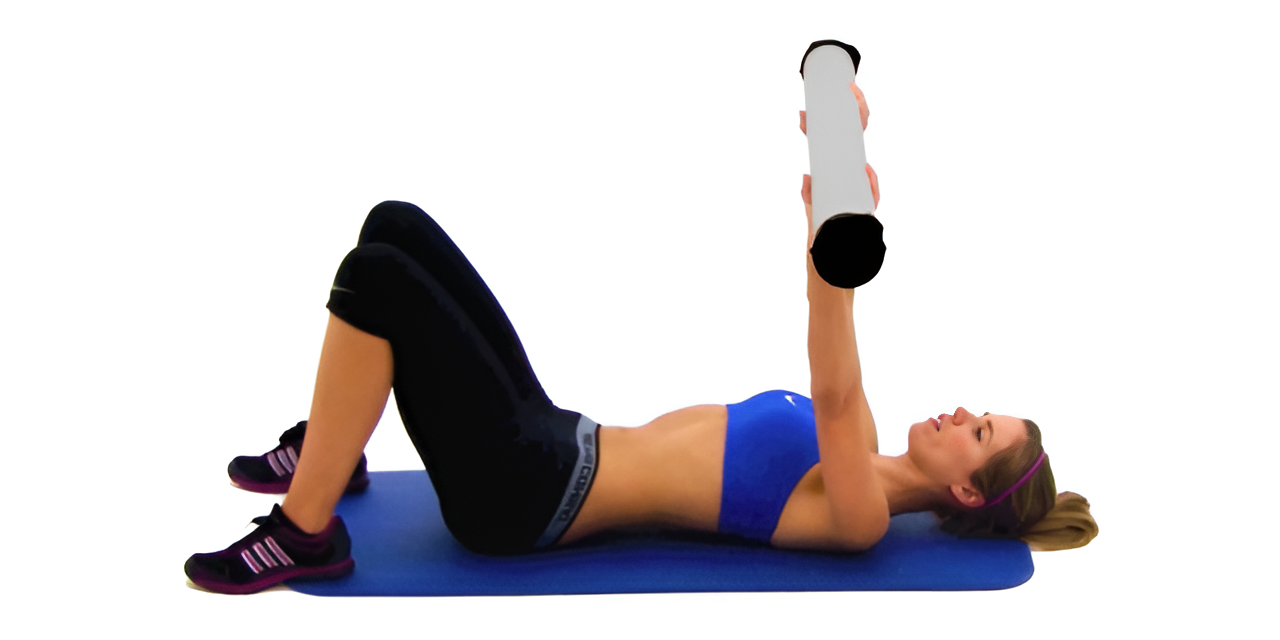
When trying to get the most calorie burn or progress out of your workouts, not all exercise equipment or exercises are created equal. How to make your own slosh pipe For example, when trying to build functional strength (strength that is the most beneficial in everyday life situations/activities) doing a leg extension on a machine is not the same as doing a lunge, though they both use the quadriceps. The latter uses multiple muscles to complete the motion and maintain steadiness. Exercises with a Slosh Pipe further exaggerate the need for balance and bodily control and therefore requires your muscles to work harder by increasing the challenge to your reflexes. Though all of these exercises can be done without this exact piece of equipment, using it greatly increases the improvement in your functional strength and the calories burned per minute while exercising. And really, who doesn’t want to burn a few extra calories. This workout routine can not only burn more calories than a similar routine using dumbbells or barbells, it can also help to train supporting muscle in almost all of your joints as well as adding an extra challenge to your core muscles (abs, lower back, and obliques). This extra challenge to your core helps to strengthen and tone your waist, turning almost every exercise into a core workout as well. Each exercise focuses on a different part of the body and different supporting muscles. Alternating Lunges: This move targets the thighs and butt as well as the calves, using the slosh pipe makes the hips and core have to work harder for balance. Squats: This motion targets the thighs and butt as well and the unstable tube also makes the motion harder for the core and hips. Walk Forward & Backward: When done with this wobbly piece of equipment the foot, ankle, hip, and torso all have to work harder to maintain balance and control, especially the torso, when done with the slosh pipe up across your shoulders. You can make this more challenging by holding the tube up higher above your head (arms extended). If you don’t have enough space to pace back and forth, you can always march in place or do high knees. Bicep curls: This motion focuses on the biceps, causing them to build more control. The movement of the water also causes the shoulders/rib cage to tip, making the obliques kick in for control. Skull Crushers: This motion is for the triceps. This very unstable piece of equipment forces the triceps and the supporting muscles in the shoulder to work harder for stabilization. Chest Press: This move uses the chest and triceps and the slosh tube causes the supporting muscle in the shoulder to have to work harder as well as improving control over the chest and tricep. Toe Touch Crunches: This abdominal exercise becomes more difficult with the slosh tube because of the extra shoulder stabilization and torso stabilization required to keep the motion under control. Overhead press: This motion uses the Deltoid and Triceps and the use of the tube increases the demand on the shoulder’s stabilizing muscles, as well as the core muscles, as the water moves from side to side. Estimated number of calories burned by doing this workout video: 200 – 280 Just a head’s up; make sure that there is nothing breakable to knock over wherever you choose to do this workout. For the same reason that it’s such a great piece of workout equipment (it’s wobbly, unstable, and potentially a bit difficult to control), it can easily end up clearing the tops of tables or putting a hole in the wall!
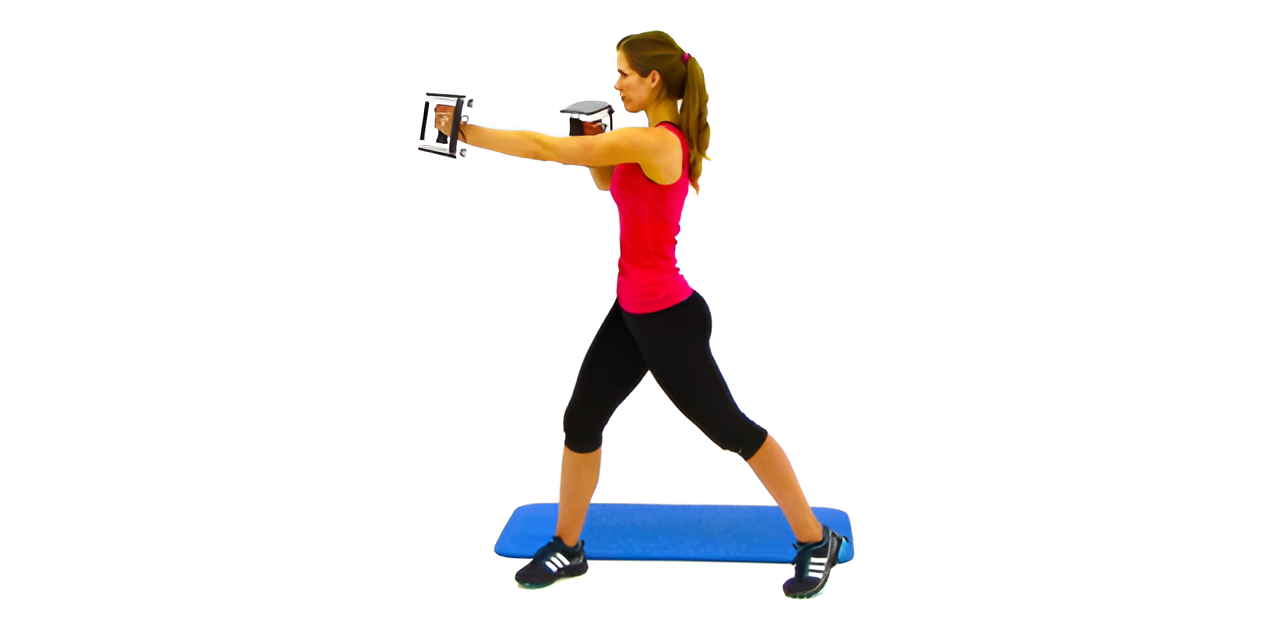
Abs and Oblique Exercises for a Smaller Waist 32 Minute Core Workout Fitness Health Track
The movements in this video routine are great for building core strength and function – a foundational part of any smart fitness routine. These exercises focus primarily on the obliques, but the entire core will have to engage to complete these moves. Keep in mind that losing belly fat takes much more than just crunches or core exercise – a combination of total body training that uses resistance or strength training, HIIT and/or cardio, and lower intensity forms of movement, are where you will see results. Related: Hundreds of free, full length, at home workout videos There are ten different exercises in this workout; below, you can see a breakdown of how each helps. There is a ten second rest between each exercise, where you will see a slow-mo demo of the upcoming movement. The entire workout includes three rounds of all of the exercises. If your core strength is lacking or you are new to working out, you may need to do fewer repetitions or just 1-2 rounds until you gain strength – there is nothing wrong with that. Go at your own pace and try and push yourself a little further the next time around. Exercises in this routine: T- Stabilizations – Any plank movements are fantastic for your transverse abdominals, shoulders, and chest. Adding the rotating motion engages the obliques, as well. Boxer Squats + Punches – If you don’t have dumbbells, you can use cans of soup or water bottles for this one. Make sure to focus on pushing that slow, controlled “punch” directly across your body to the opposite side so that you really feel that torso twist. Captain Morgan Up & Overs – Balancing on one leg calls upon your core for stabilization, while the “Up & Over” twisting motion works to actually throw you off balance a bit – just enough that your midsection has to work that much harder to keep you from falling over. You can use a dumbbell, medicine ball, or heavy book for this exercise. Back Bow Crossovers – This is a great exercise to because of the way that it engages the obliques and lower back muscles. You can make this more difficult by placing a taller object to cross over top of, and you can make it easier by taking a very short rest on the ground in between each rep. Bicycle Crunches – This is an abs and oblique exercise that actually burns a decent amount of calories because of all of the large muscle groups involved (the legs get a workout, too). Plank Tucks – With the leg kick, you take all of the benefits of a regular plank and add in the bonus of a twisting motion, which more comprehensively engages the obliques and abdominals. You will also start to feel a burn in your thighs as you get about half way through the side to side leg extensions. Butterfly Crunch – Kick your knees to the side and press the souls of your feet together for this sit up variation. You should feel this one through the entire panel of your abdominals. Make this core exercise even more effective by not actually releasing the contraction of your ab muscles each time you come down from the top of the motion – only relax once your reps are complete. Side Cinchers – A side plank with a knee to elbow crunch, you will feel this in your supporting shoulder, in both sides of your obliques (both the side that is working to support the plank and the one that is doing the crunch up to your knee), and in the outer thigh of your top leg. How many calories does this workout burn? This routine burns between 220 and 390 calories, depending on factors such as gender, weight, and levels of effort. How often should I do this workout? You can do this 3-4 times a week (remember, abs are a muscle that need to heal, just like any other). It’s good to mix up your workout often – check out our huge library of free full length videos in order to find a large variety of abdominal routines. What else can I do to slim my waist? Healthy, clean eating is a huge part of getting a smaller waist – exercise alone won’t do the trick. Cardio & strength training will also help you lower your body fat percentage and reduce the size of your midsection, as well.
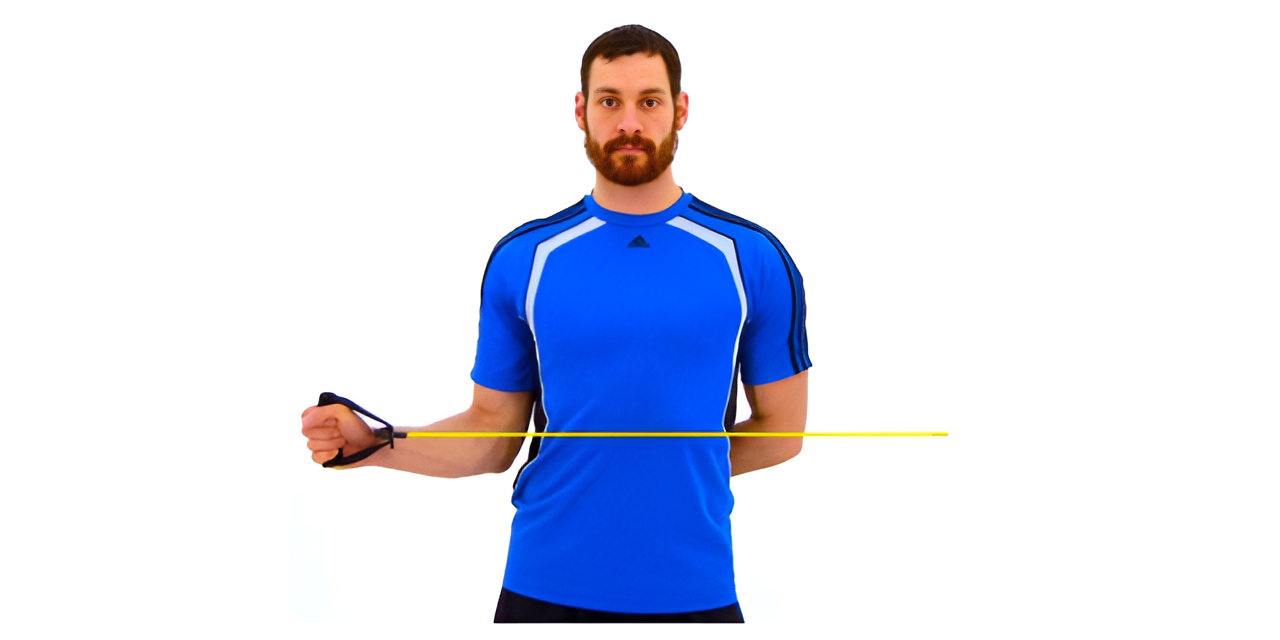
Rotator Cuff Workout Rotator Cuff Exercises for Injury Prevention Fitness Health Track
Whether you used to be or are currently into competitive sports or you just have a physically demanding job, chances are you have had trouble at least once with a shoulder injury. The most common shoulder injury affects the small muscles that make up the Rotator Cuff. These are generally very weak and vulnerable muscles that hold the shoulder joint together as well as control various motions of the arm; particularly rotation. Injuries often occur from a single traumatic event but even more commonly arise from everyday “wear and tear.” Either way one or more of the muscles and/or tendons that make up the Rotator Cuff becomes torn or damaged in some way, causing pain and movement restriction. The first step is talking to your doctor to get a proper diagnosis and a referral to get you in contact with a physical therapist to properly rehabilitate your specific injury. Once you have recovered, talk to your doctor and/or physical therapist about starting this Rotator Cuff Injury Prevention Routine to keep the problem from reoccurring. This combination of exercises is designed to target all of the muscles that make up the Rotator Cuff to help increase endurance and strength to prevent any future injury to this sensitive area of the shoulder. When doing this routine start small; use a very light weight exercise band and only do 8 to 10 repetitions instead of the full 20 that are done in the video. This will make sure you build a good base of strength and endurance before progressing as doing this routine all the way through with a weak shoulder could cause a fatigue injury, further weakening the shoulders. Do this workout two or three times a week adding one or two repetitions each time until you build up to 20 repetitions total. Once at a full 20 repetitions, start to slow the motion down, taking a full 6-8 seconds per repetition. Once you can do this without fatigue then you can move up one level to the next exercise band. You must start the process over with 8 to 10 repetitions after moving up in resistance to again protect against injury. Once you have reached the desired strength and endurance level you can drop down to doing this routine once a week for maintenance. These motions all target the Rotator Cuff but all in a slightly different way. • Medial Internal Rotation places the arm at its most stable point, directly next to the ribcage. Starting with the forearm pointing away from the body and pulling toward the stomach is the strongest motion for these small muscles to perform. • Medial External Rotation is the next strongest as it also has the arm by the side but this time pulls the arm away from the stomach; a much weaker motion than its opposite. • Ventral Internal Rotation brings the elbow up in front of the shoulder socket placing the arm at a slightly more vulnerable position but is still relatively strong as the arm pulls in. • Ventral External Rotation is a weak arm position as well as a weak motion as the arm moves away from the body. Be careful to use correct form. • Lateral Internal Rotation brings the arm to its most vulnerable position but uses the stronger motion of pulling the arm down towards the body. Be conscious of form with this exercise. • Lateral External Rotation is the most vulnerable position and motion that we do in this routine. This position is incredibly weak so great care must be taken to move slowly and not to overwork the muscle when doing this exercise. • Rotational Lateral Raise is a much more stable position but be sure to use only light weight with this exercise as heavy resistance will cause the deltoid (large muscle on the outside of the shoulder) to take over and not let the rotator cuff engage properly. Though we do not show this in the video you can also add the Rotational Lateral Pull Down to target the opposing muscles to the ones used in the Rotational Lateral Raise. The motion is the same but you must attach the band to something overhead in order to activate the proper muscles. Just be sure to mimic the arm motion identically. Remember, talk to your doctor or physical therapist before starting this routine or any other workout program.
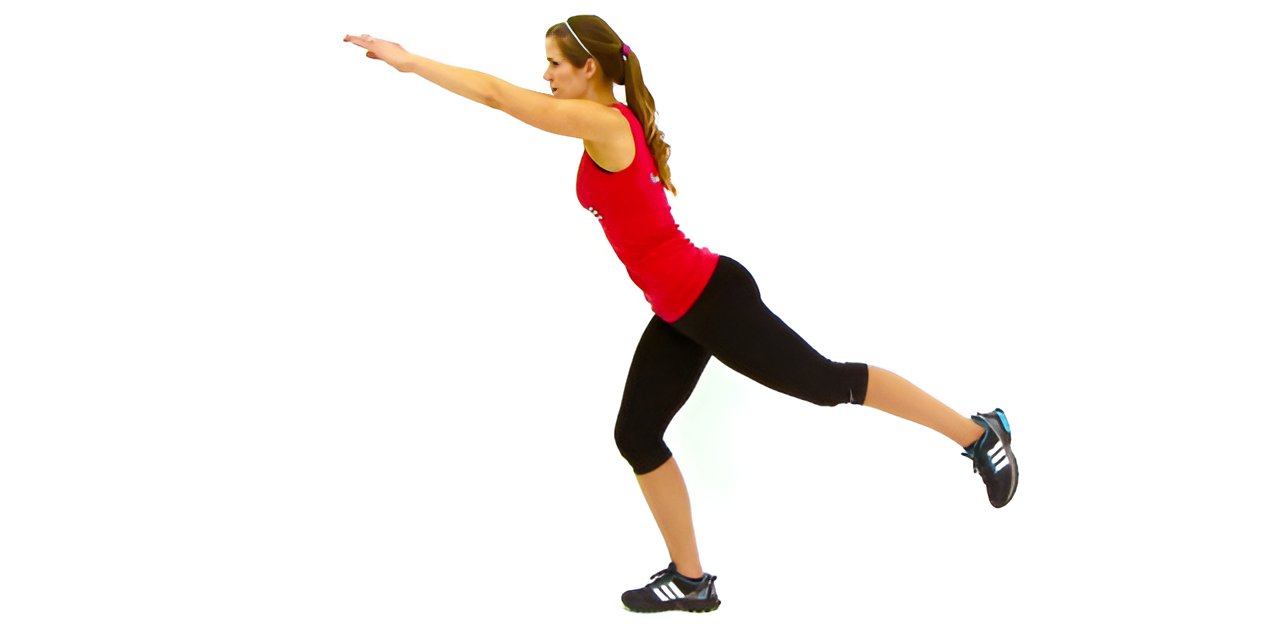
Booty Shaper Workout Exercises for a Bigger Butt Fitness Health Track
Our 26 minute lower body workout targets the thighs and 3 different glute muscles (minimus, maximus, and medius) comprehensively to whip the glutes into a rounder, firmer shape quickly. Fitness Health Track’s Workout for a Bigger Butt works, and you can get even more dramatic results, faster, if you hold onto weights while you do these exercises (where applicable). For example, on the static squats or ski squat marches, holding weights just above your shoulders will increase the demand on the glutes, which can help make them more round and shapely. Workout Structure & Exercises: We have eight different exercises in this video, and we do three rounds of the entire routine. Before each exercise interval starts, you will see a slow motion, black and white demo version of the next exercise. Stutter Step Pulls – Holding a half squat through all of the repetitions will have your glutes and thighs burning by the end. Adding the arm motions in bumps up the cardiovascular benefit and calorie burn a bit. Squats + Front Kicks – Focus on doing a deep squat before coming back up to kick one leg out in front of your body. Hold weights over your shoulders to make this an especially effective exercise to get a rounder butt. Static Ski Squat + Alternating lifts – This is another exercise where the challenge and glute toning benefit is increased by the static hold of a squat throughout the movement. Carefully lifting that leg behind your body lifts the butt and helps reform the large glute muscles. Butterfly Bridges – Kick your knees out so that the soles of your feet are pressed together – this more effective targets the glutes (as opposed to a traditional bridge). You will also feel this in your inner and outer thighs. Make the exercise harder by not actually letting yourself rest on the ground during repetitions. Static Ski Squat March – Hold weights right above your shoulders while you march in that squat in order to make the exercise harder and increase the size of your butt. Static Squat + Alternating Step Backs – If your butt and thighs were not already weeping, they might be after this one. Use slow and controlled motions to kick just one leg back behind your body as you stay in a squat the entire time. Squat Pulses – Stay low and pulse 4-6 inches at the bottom of the squat motion. Hold onto those weights and you will get a bigger butt faster. If you have to take a break & shake your legs out, do so, but go right back into the exercises asap. Standing Outside Thigh Raises – You will feel this in the outside thigh of the leg that is being lifted, and in the glute of the leg that is maintaining your balance. Make sure that you don’t use wild kicks to complete this motion, you want smooth lifts that you are in complete control over (no momentum!). How many calories does this workout burn? This routine will burn between 208 and 312 calories, depending on your weight, gender, muscle mass, how hard you work, whether or not you hold onto weight while you do these exercises, and more. How often should I do this routine? Doing this routine between 3-4 times a week is a good start to getting a rounder butt and burning a lot of extra calories while you’re at it. We also recommend that you mix up the training that you do – examples of good routines that target the same muscle groups in different ways are our Booty Boot Camp, Fitness Health Track’s Butt Lifting Workouts, and our Curvy Body Workout (to name just a few). Remember, if your muscles are sore, give them a rest by doing just cardio or a routine that targets the upper body.
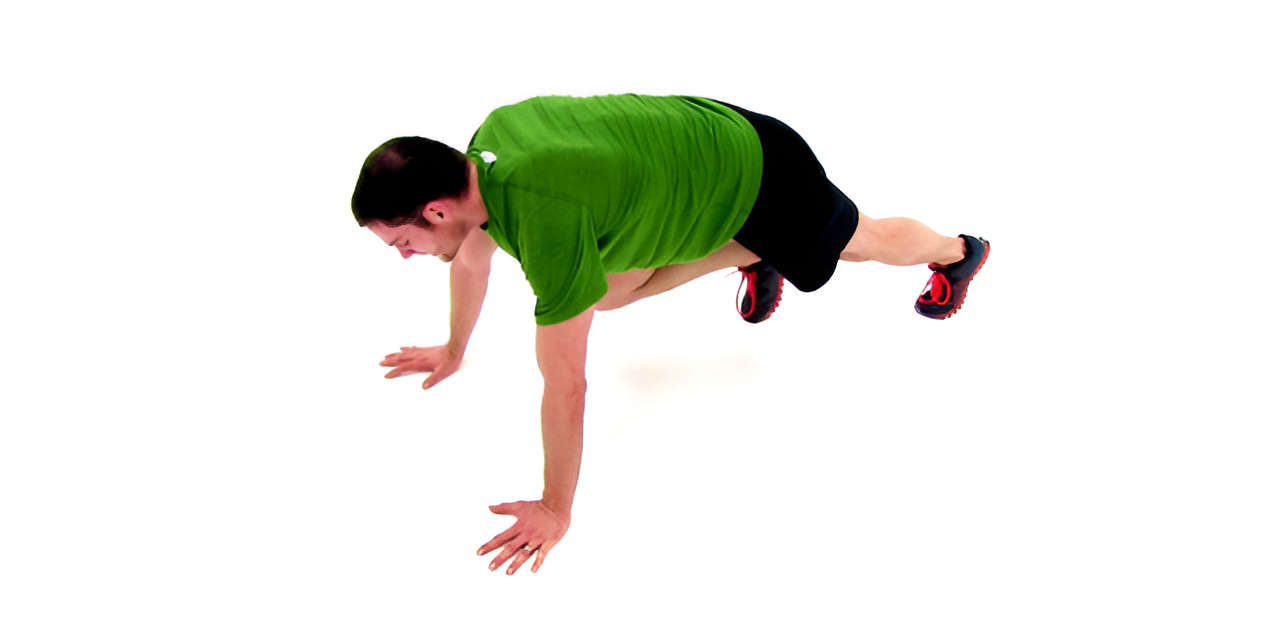
High Intensity Interval Training Workout 20 Minute HIIT Cardio Workout Fitness Health Track
Whether you have never done a High Intensity Interval Training (HIIT) routine before and you want more from your workouts, or you are a pro at interval training and are looking for a new challenge, you have found your next workout. This HIIT routine starts with a quick 5 minute warm up then dives into a Tabata style interval routine that uses only two exercises to burn a massive amount of calories; then we follow that up with a short 5 minute cool down and stretch. If this sounds too simple then you have never done a HIIT training routine before. This workout will get you so worn out that you wont be able to tell your elbow from your ankle. Once you are done with this brutal workout your first thought may be to never do a HIIT workout again but once you realize that you just burned more calories in around 20 minutes than most people burn in 60 minutes of cardio you will be coming back for more. Though High Intensity Interval Training comes in many different styles, ranging in work to rest ratios from 1:2, 1:3, 2:1 or 1:1 and time per cycle ranging from minutes to seconds, in this routine you will utilizes a style known as Tabata that has a 2:1 ratio of 20 seconds of work followed by 10 seconds of rest. These cycles are repeated for one minute per exercise, alternating back and forth for a total of 4 minutes before you get a long, active rest break of 2 minutes. Then you repeat the full 4 minute cycle over again before moving on to your cool down. Tabata is a common interval training style and is one of our favorites for burning a lot of calories in a short period of time, without completely exhausting your body. To get an even higher calorie burn out of this workout we selected two exercises that target the biggest muscles in your body, those of your legs. The Squat Jumps primarily focus on the large leg muscles in the thigh, butt, and lower leg, but they also target the muscles in the core for stability while jumping. Those large leg muscles, however, are the primary heavy hitter when it comes to calorie burn. The Burpee is a sick exercise that takes you from a plank or push up to a standing position with an optional jump. This exercise uses the large leg and butt muscles as well as the chest and core, just to name a few. Utilizing all of the muscles causes this motion to be a monster of a calorie burner. Because these routines are so intense you will want to start slow and only use them once to twice a week. After your body starts to build up more aerobic and anaerobic endurance, start to add one more HIIT routine per week until you get to four to five max per week. With the increased intensity comes increased wear and tear on your muscles, tendons, and ligaments, so make sure you take time to fully recover every week. We suggest taking at least one day per week completely off and possibly even two; however, you can do very low intensity and light impact training on those days if you are not sore. In the full twenty minutes of this routine, a person could burn between 9-13 calories a minutes. During the actual HIIT part of the workout, a person likely burns more along the lines of 12-16 calories a minute. Aside from the calories burned while you are actually working out, it’s important to remember one of the biggest benefits of a high intensity interval workout like this one; long after you are finished working out, your caloric burn remains higher as your metabolism tries to restore your body to its normal physical and chemical resting state after the “disturbance” that you cause in your system’s preferred balance.
Fitness Health Track 100 Rep Workout Fat Burning Total Body Routine Fitness Health Track
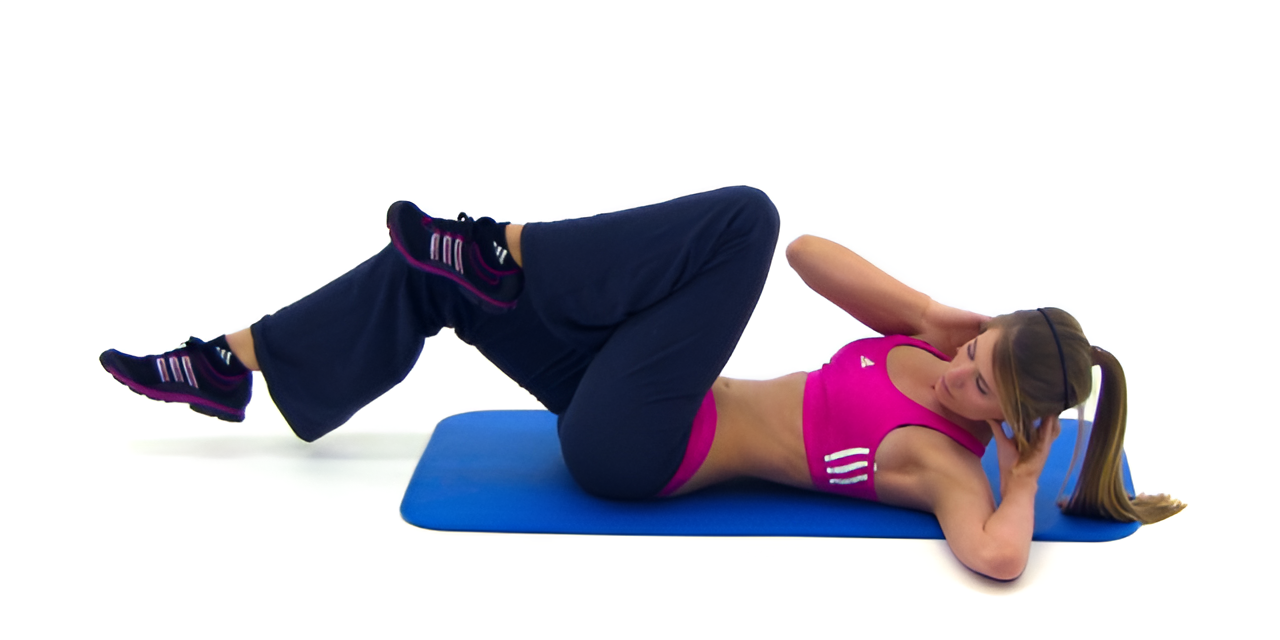
This routine consists of ten exercises, done 25 repetitions at a time, in four rounds. Altogether, this is a roughly 500-700 calorie workout (if you do it twice) that takes about an hour total to complete, though your exact calorie burn & completion time will depend on how fit you are and how quickly you complete all of the reps. Some of these exercises are not overly difficult, but after 25 repetitions (especially after 4 rounds of 25), your muscles are going to start protesting a bit. Push through it and you will be increasing your cardio threshold, as well as toning your entire body. There are a number of ways that you can break up this 100 Rep Workout; we recommend that you do half of it (50 reps) at a time, twice daily. The video is roughly half an hour long and only goes through half of the repetitions of the entire routine; if you want to do the full 100 repetitions in one fell swoop, all you need to do is start the video over again. When you break your exercising regimes up into two separate segments, you are going to end up burning more calories than you would if you did the same amount of activity in one single session. Another reason why this 100 repetition routine burns so many calories is because of all of the large muscle groups involved. This routine is easily adaptable to suit any fitness level; do the easiest versions of the exercises if you’re a beginner, and add extra weight if you’re at a more advanced fitness level. If you can’t quite do 25 of each exercise every round, push yourself to do as many reps as you can. After doing this routine on a regular basis, it shouldn’t be long before you gain strength and cardiovascular endurance and it will become a bit easier. Make sure that you warm up with at least 5 to 10 minutes of cardio before jumping into these rigorous exercises in order to prevent injury and muscle strains.
20 Minute Home Abdominal Workout Fitness Health Track
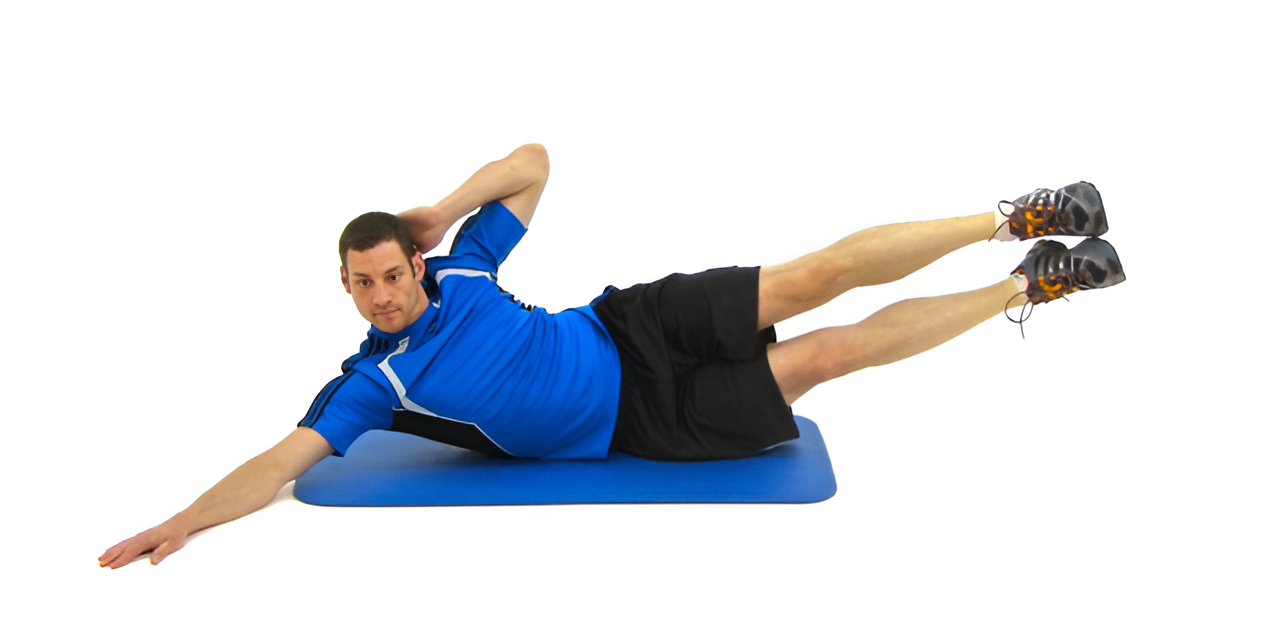
This is a well rounded, comprehensive core workout. It equally challenges the muscles of the abdominal panel, the lower back, and the obliques. Contrary to popular belief, you really shouldn’t train your abs every day; every other day is fine, with more rest time if your abdominals are still sore from a previous routine. The exercises in this abs video are paired up; alternate doing 14 reps of each, three times through before moving onto the next pair. There are also two stretches at the end that are ideal for your muscles after a challenging ab workout. You don’t need any equipment in order to do this home abdominal routine, although a mat is helpful to put a little cushion between your body and the floor. If an exercise is too difficult (or easy), look for it on the sidebar, where you can learn how to do a more suitable version for your particular fitness level. Never sacrifice form for high reps or a difficulty outside of your own capacity. This 20 minute home routine for abs is great for doing after the end of a cardio session. Remember; a huge part of getting defined abs or a flat stomach is maintaining a healthy diet and achieving a healthy bodyweight (and healthy body fat percentage).
HIIT Workout for Endurance Brutal 30 Minute Home Cardio & Toning Fitness Health Track
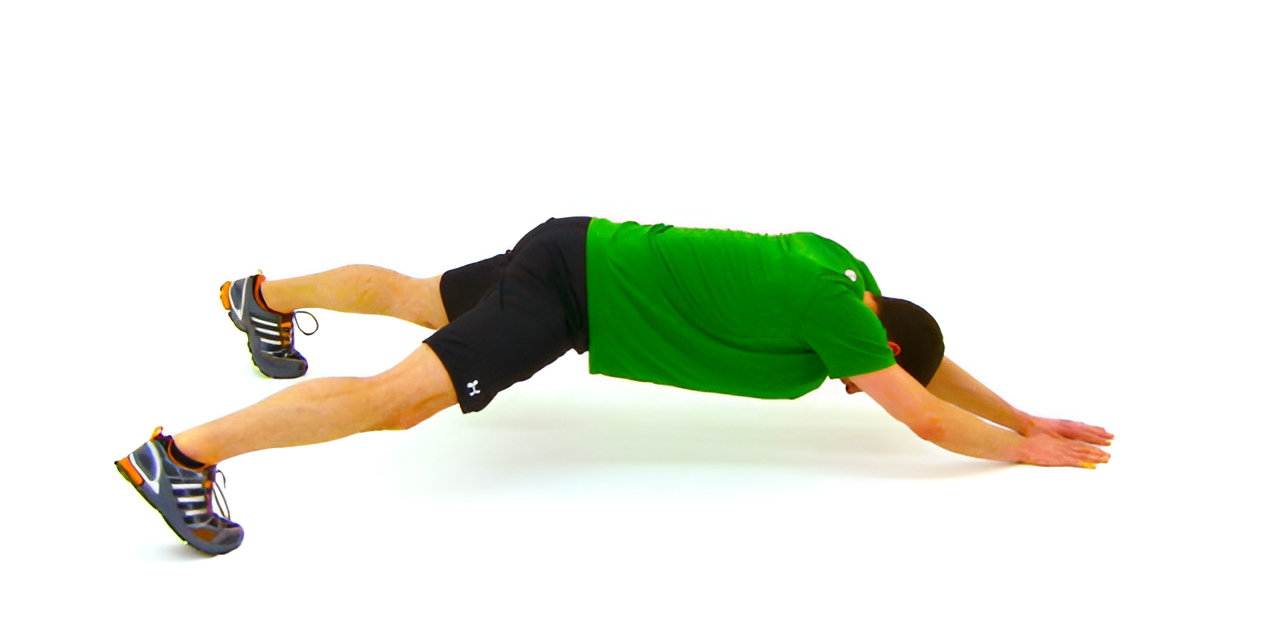
This HIIT workout uses short bouts of high intensity intervals in order to help you burn fat and increase your endurance in as little time as possible. The exercises are a blend of bodyweight cardio, challenging toning moves, and plyometrics. Because of this combination this routine would be great for performance enhancement for an athlete of any sport, or for someone who just wants to train like an athlete. HIIT routines are known for being intense, and busy people are gravitating toward them because research keeps showing that these brief workouts are a great way to get maximum calorie burn and a metabolism boost that lasts up to 48 hours after you have finished exercising. Our HIIT video is not for beginners – these exercises are high impact and strenuous and the routine is long, particularly considering how intense the moves are. Before starting this routine, make sure that you do 5-10 minutes of warm up cardio in order to get your muscles ready for the demanding exercises ahead. Workout Structure: There are four different groups of three exercises. You will do each group twice through before moving onto the next. The timing is set at a 2:1 ratio of active exercise to rest; 20 seconds on, and ten seconds off. The pace is very quick; basically the entirety of your quick “rest” intervals will be spent transitioning to the next exercise. If you ever need to slow down and take a longer break than is allowed in the video, just hit pause and give yourself a chance to catch your breath. How often should I do high intensity interval training workouts? The high impact nature of these routines makes them a type of training that you want to use relatively sparingly. Two to three times a week is ideal. It is best to save this kind of training for days where your schedule is truly too packed to spend a full 60-90 minutes in the gym. This does not mean that you can’t workout or do cardio on other days, just choose a form that is less harsh on your body systems and joints. Sustained endurance cardio would be a better option on those days where you are looking for a break from HIIT routines; 30-60 minutes of a walk, light jog, elliptical or swimming session are all good examples of complimentary alternatives. How many calories does this Fitness Health Track workout burn? In the 30 minutes of this routine, you are looking at burning around 360-510 calories. That is a whopping 12-17 calories per minute. This figure only reflects the expenditure that occurs during the actual exercise session – it does not even take into consideration the elevated rate of burn that occurs after you disturb your metabolic balance with something like high intensity interval training. What that means is that while you are sitting around reading a book later, your body will still be expending energy at a higher rate than if you had not done this workout. Remember, caloric expenditure is decided by a complex number of variables including your lean muscle mass, gender, fitness level, bodyweight, etc. Make sure that you do a proper cool down and a thorough stretching when you are finished with this video. You will likely have sweat out a significant amount of water weight, so you will want to make sure that you replenish yourself so that you don’t get dehydrated. You should also make healthy eating a priority, particularly after beating yourself up with a routine like this one. Think of it as feeding & nourishing your muscles so that they can heal themselves and be ready for your next workout.
27 Minute Total Body Medicine Ball Workout Medicine Ball Exercises Fitness Health Track
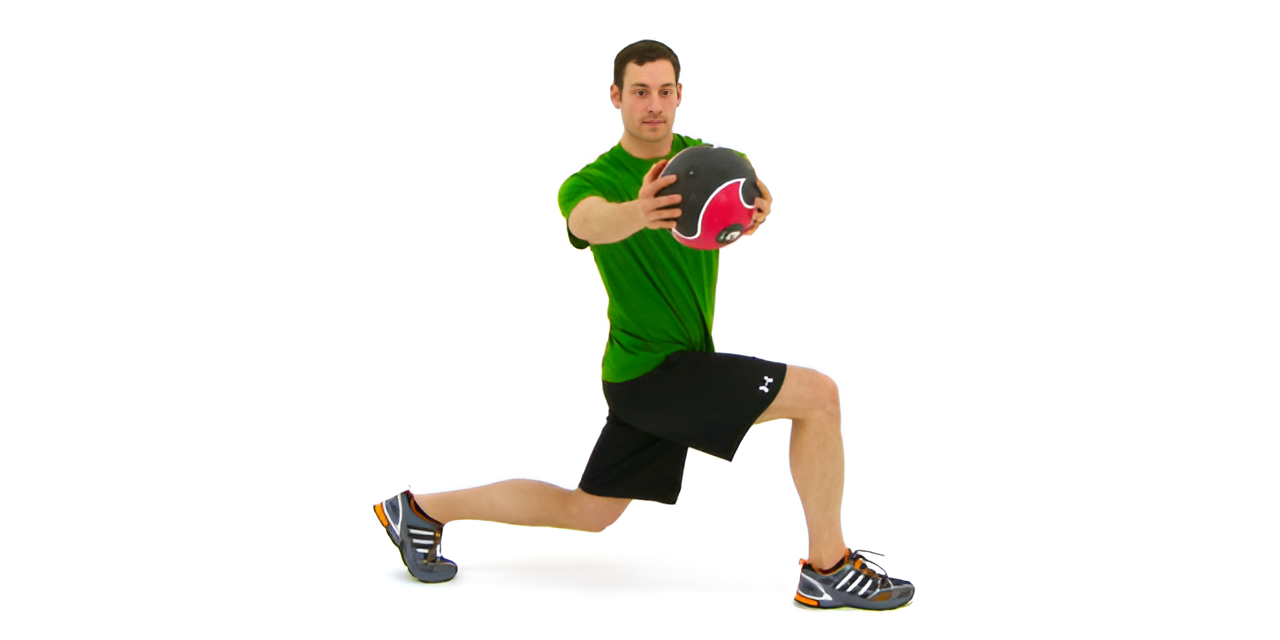
Medicine ball workouts are easy to do at home and for such a simple piece of equipment, bring a great deal of challenge and versatility to a routine. Workout Structure There are 8 different medicine ball exercises in this routine, and we go through the entire thing three times through. In between each individual exercise, you will have a ten second break to transition to the next exercise. During this time, you will be shown a slow motion demo of the next move. Make sure that you do at least a few minutes of light warm up cardio before jumping right into the video. Exercises in this routine • Medicine Ball Push Ups • Squat Passes • Medicine Ball Slams • Single Leg Crossover Passes • Rotational Lunges • Single Leg Three Point Squats • Jackknife Crunches • Russian Twists Why we love this routine The advantage of this kind of training is that the added weight not only increases the resistance during the movements, it also challenges your balance. When you are maneuvering a weighted & cumbersome object around, you are constantly shifting your center of gravity, which is excellent for lessening the likelihood of falls and injury, and for improving balance, and agility. Another benefit to this functional strength training workout is that it burns a good number of calories and tones you up at the same time. It addresses all major muscle groups and is a very well rounded, balanced routine. How many calories does this workout burn? In the 27 minutes of this routine, we estimate that a person can burn between 200 and 320 calories. These numbers will, of course, be influenced by many different variables that are specific to each individual exerciser. How often should I do this workout? We recommend doing this workout or a similar functional strength training workout 3-4 times a week. Remember, if muscles are sore (as they likely will be the day after you try this video for the first time) give them a chance to heal by doing low impact cardio or a routine that focuses on a different muscle group. You would also further benefit to not do the same routine over and over again – there are plenty of other free full length workout videos on our site, so there is no shortage of options. How long will it be until I notice a difference if I start doing these medicine ball exercises on a regular basis? After roughly 2 weeks of regular strength training or toning exercises, you can start to see noticeable changes in your body composition, but don’t be discouraged if it takes up to 2-4 weeks to see a difference. You can make these changes come about even faster if you also incorporate regular bouts of cardio into your schedule. Another important variable that can make or break your progress when it comes to seeing changes in the way that your body looks while you are working out is your diet. Make sure that you are eating “clean”; you want to stay away from processed and packaged foods, and make sure that fresh fruits and veggies, whole grains, and lean animal products are what make up the bulk of your diet. Remember, you can’t out-exercise a bad diet. Wholesome food can taste great – check out our recipes for ideas on ways to make your healthy foods taste wonderful.