Workouts Library
Premium training sessions guided by elite coaches for maximum physical conditioning
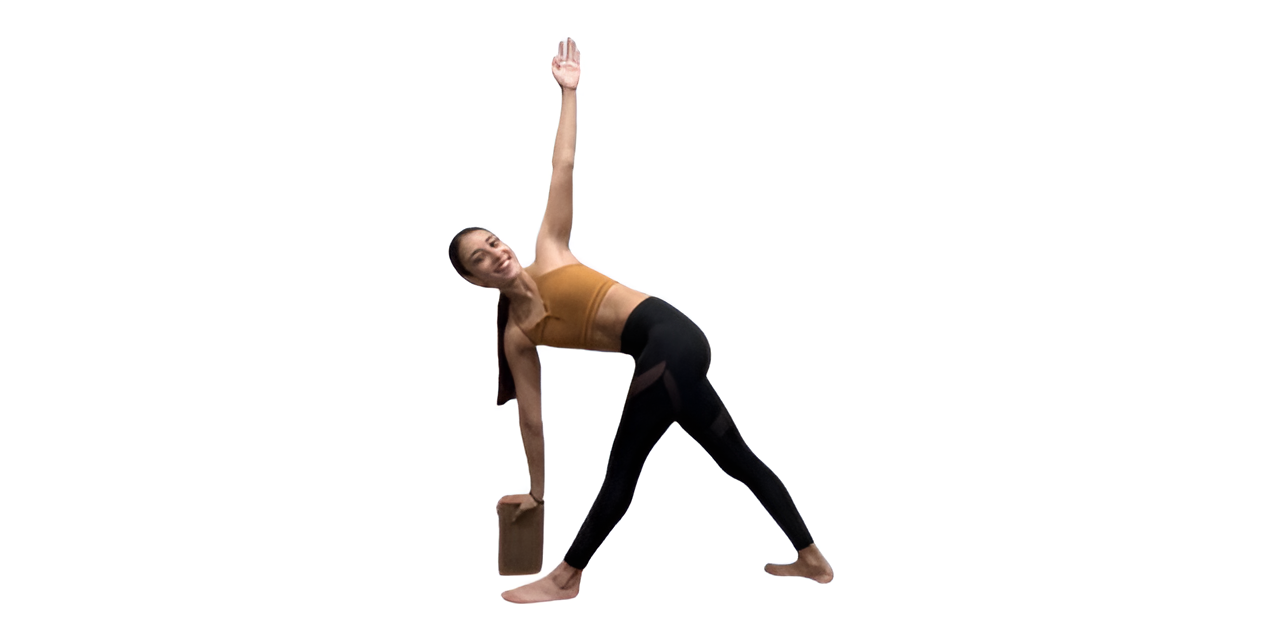
Gentle Yoga Extended Desk-Break Flow Fitness Health Track
Pause your work day and give your body the movement it craves with this feel-good, gentle yoga routine! This all-levels flow includes a warm-up integrating the 7 movements of the spine, a brief peak of cardio to get the blood flowing and the endorphins firing, and a cool-down to help you re-center the mind and reconnect with the breath. While you could use this practice as an extended warm-up for another practice or as a stand-alone active recovery workout, my intentions for sharing this flow are to provide you with a variety of tools to help you rediscover alignment throughout your whole body. Throughout the workday —especially if you sit behind a desk for most of the day — our spines tend to slouch without internal or external support, our shoulders begin to hunch as our upper backs round and our hip flexors shorten and tighten. Over time, our bodies adapt to these physical conditions and this new unaligned posture becomes our default. Out of physical alignment, we may begin to experience imbalances, tension, fatigue or even discomfort/pain in various parts of the body (most commonly the upper/lower back, neck, hips, and/or shoulders). While this may be a commonly shared experience amongst many individuals, we do not have to continue to live in this shrunken and uncomfortable state. My intention for sharing the tools offered in this video is not only to help you realign and strengthen your posture but to lightly engage and actively lengthen the muscles throughout the total body. In the short term, these tools can help to relieve joint stiffness and tense muscles. In the long-term — and with consistent practice — these tools can counteract many of the physical effects of sitting behind a desk including (but not limited to) improved posture, stronger and more stable joints, back and hip discomfort relief, and chronically tight muscles. In addition to the many physical benefits of this practice, our extended desk break concludes with a brief meditation to help ground the mind in the present moment. I encourage you to set an intention for your practice and meditation with a word or simple phrase that you can come back to as an anchor in the present moment. However, if that feels inaccessible, you can always return your attention to the breath. Tuning into the rise and fall of our bellies/chest is an excellent tool to not only return to presence but, to realign the mind and body, reset the focus, and replenish our energy. I hope this flow leaves you feeling rejuvenated and reconnected to your body. I hope you feel more aligned and that this practice is one you can come back to repeatedly when you need a quick movement break! ** Please note that this workout moves at a moderate pace and offers several opportunities for plane changes. Modifications are available throughout this practice and, as always, I encourage you to be your best teacher, taking what honors your body and leaving what does not serve you. ** Equipment: • No equipment • Yoga Mat [Optional] Flow Structure Integration • Seated Tadasana • 5 Deep Breaths • Cat/Cows • w/ Heel Lifts • Barrel Rolls • Modified Dancer or Table-Top Quad Stretch • Down-Dog • Chest Presses Warming • Modified Sun B’s • Tadasana • Lateral Stretches • Tadasana • Goddess Squat • Revolved Pyramid • Pyramid Exploration • One-Legged Mountain w/ Twist • Figure 4 • Low Crescent Lunge / Half Splits Flow [x4 / side] • Runner’s Lunge w/ Twist • Horizon Lunge Peak • Mountain Climbers • Jumping Jacks Re-Center • Half Sun A’s [x4] Release • Spinal Rocks • Reclined Half Pigeon • Spinal Twists Rest • Quick Seated Meditation: Finding Your Alignment
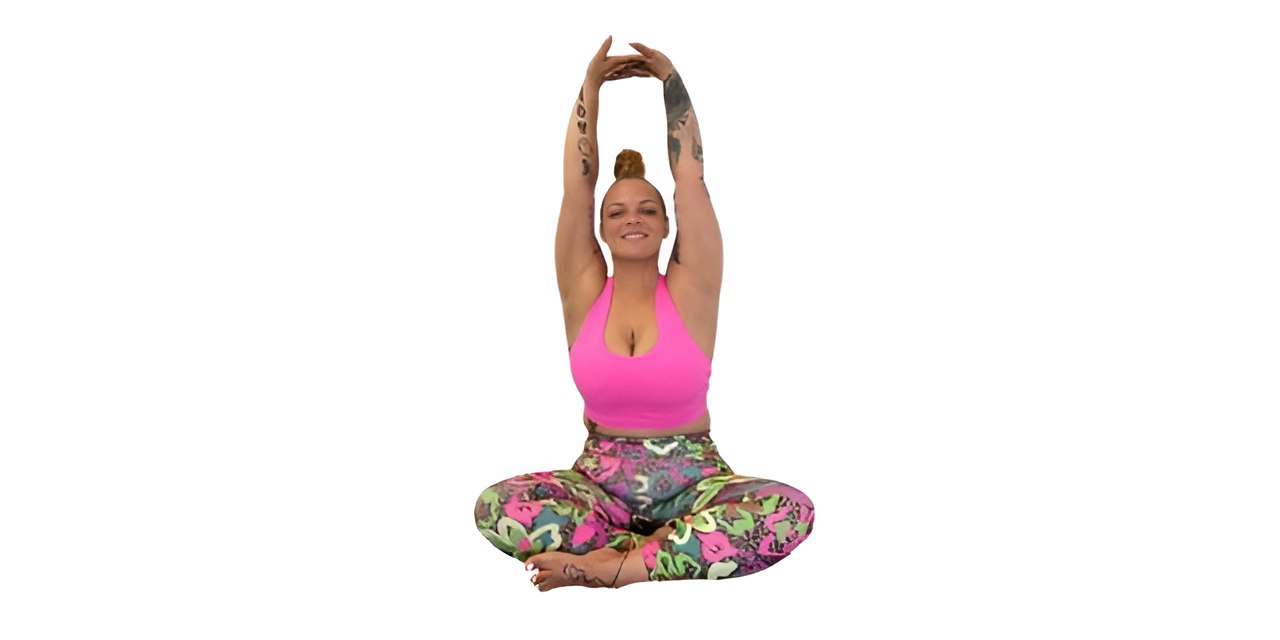
Energizing Upper Body Yoga Flow Fitness Health Track
Yoga is a holistic practice that offers numerous benefits for the mind, body, and spirit. While many people associate yoga with flexibility and relaxation, it also holds great potential for building upper body strength and improving overall fitness. Below, we will explore the various benefits of an upper-body yoga sequence, shedding light on how it can transform your physical well-being and enhance your yoga journey. Movement (asana): Through regular practice, you will notice increased stability, improved posture, and enhanced functional strength to support daily activities. Breath work (pranayama): Pranayama, or yogic breathing exercises, are an integral part of yoga practice. These breathing techniques promote deep and conscious breathing, expanding the lung capacity and improving respiratory function. Better breathing can benefit the upper body by increasing oxygen intake, enhancing endurance, and supporting the health of the respiratory system. Meditation: Yoga is not just about physical exercise, it also emphasizes the mind-body connection. Through focused breathing, conscious movement, and mindfulness, this upper-body yoga sequence deepens this connection This practice offers several benefits for the upper body including improved strength, flexibility, and posture. Hunching over desks, computers, and mobile devices can negatively impact posture and spinal health. This upper-body yoga sequence addresses this issue by targeting the muscles responsible for maintaining proper alignment. Poses like Cobra, Upward Dog, and Hands Bound Rising Locust help strengthen the upper back, open the chest, and counteract the effects of slouching. By incorporating these poses into your practice, you can cultivate an upright posture, alleviate strain on the spine, and reduce discomfort in the neck and shoulders. Regular practice can enhance muscle strength and endurance leading to improved functional abilities, a toned upper body, enhanced range of motion, and reduced stiffness. Strengthening: Yoga poses such as the plank, downward-facing dog, and chaturanga dandasana (yoga push-up) engage the arms, shoulders, chest, and back muscles in the upper body. Improved posture: Focus on spinal alignment and core engagement, helps to correct poor posture. Strengthening the muscles in the upper back and shoulders can counteract the effects of prolonged sitting and hunching over electronic devices, promoting an upright posture and reducing the risk of musculoskeletal imbalances and pain. Increased flexibility: Yoga involves a wide range of stretches and poses that target the muscles and joints in the upper body. This flow is great for flexibility and is particularly beneficial for activities that require overhead reaching or lifting. In the sequence, Hands Bound Rising Locust pose is a variation of the locust pose that involves binding the hands behind your back. Hands Bound Rising Locust engages the muscles in the upper body including the shoulders, arms, and upper back. Holding the bound position promotes proper spinal alignment and encourages opening and lifting the chest. Strengthening the muscles in the upper back can help correct rounded shoulders and slouching, leading to improved posture and reduced strain on the neck and shoulders. The binding of the hands behind the back in this pose stretches the shoulders and chest. It can release tension and tightness in the chest and shoulders. Hands Bound Rising Locust requires engagement of the core muscles and, like other backbends, can invigorate the body and increase energy levels. The pose stimulates circulation, promoting blood flow to the upper body and revitalizing the mind and body. Mind-body connection: Practicing this pose requires focus, concentration, and body awareness. It can help cultivate a sense of mindfulness and presence, allowing you to connect with your body and breath and promote a sense of calm and inner balance. The Reverse Plank is a yoga pose that offers numerous benefits for the upper body and core strength. It involves sitting on the floor with the legs extended, placing the hands behind the body, fingers pointing toward the feet, and lifting the hips and torso upward. Reverse Plank primarily targets the muscles of the upper body, and holding the weight of the body with the arms engages, strengthens and promotes greater upper body stability. This pose requires engaging the core muscles to support the lift of the hips and torso. The deep abdominal muscles, as well as the muscles along the sides of the torso, are activated to maintain stability and alignment. Reverse Plank helps open the chest and stretch the front of the shoulders, counteracting the effects of slouching and rounded shoulders. Each pose invites you to bring awareness to the sensations in your body, fostering a sense of presence and grounding. This heightened mind-body connection allows you to tune in to your body’s needs, make adjustments, and practice self-care both on and off the mat. Peak poses in this flow are marked with an asterisk (*). Flow/Sequence Structure Warm-Up / Breathwork • Easy Seat • Seated Mountain pose • Seated side bend (both sides) • Tabletop • Cat/cow • Downward dog • Three legged dog walk to the top of the mat • Fold • Mountain pose Flow • Upward salute • Half lift • Fold • Plank • Knees – Chest – Chin – Chaturanga • Upward dog • Child’s pose • Dynamic Downward dog to plank 5x • Thunderbolt pose* • Seated Eagle arms (Both sides) • Tabletop • Downward dog • Fold • Upward Salute • Hands bound rising locust * • Mountain • Fold • Plank • Cobra • Upward dog • Downward dog • Thunderbolt • Camel Prep • Camel pose Cool Down • Thread the needle (both sides) • Staff pose • Reverse plank* • Reverse Child’s pose • Happy Baby Rest
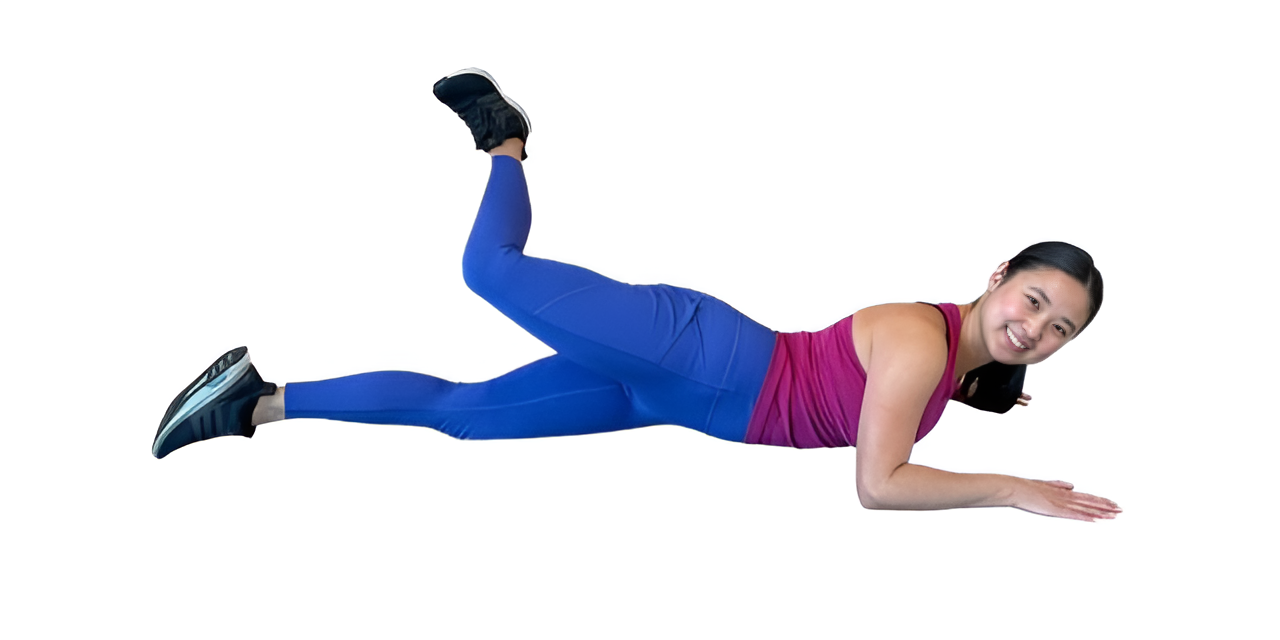
Full Body Mobility for Healthy Movement Fitness Health Track
We’ve combined the amazingness of mobility work into one, easy-to-follow routine. In it, you’ll flow through three circuits that are designed to challenge your core, upper, and lower body. The best part about this workout routine is that it eliminates the guesswork by using the same on/off times, allowing you to be present in the moment and focus on your movement. For those of you who have never done a mobility workout before, welcome! In these types of routines, we aim to improve your movement patterns from head to toe. Often, this goal is accomplished by doing exercises like stretching, yoga, and/or Pilates. Here at FB, we’ve created specific workouts that target single or multiple areas of the body. Take a look at what we’ve done so far: Low Back Prehab Mobility Upper Body Corrective Circuit Core and Mobility for Postpartum Recovery Total Body Mobility Mobility is best thought of as “preparation for the unexpected”. Basically, you’re learning how to reduce limitations in your movement patterns, tissues, joints, and stabilizing muscles to optimize your body for other things. Mobility exercises show you how to move better so you are faster, stronger, and healthier. There are many benefits to mobility workouts, including: • Increased flexibility and range of motion • Decreased pain and stiffness • Lower risk for injury • Improved motor control Often, mobility training is combined with flexibility and stability exercises. When combined appropriately, this comprehensive training prepares different components of your body’s neurological, musculoskeletal, and skeletal systems to prevent injuries and perform at your very best. Like all areas of health and wellness, having good mobility takes consistency and effort. And, truth be told, progress can be harder to track especially when you compare it to weightlifting or cardio. But here are some ways that you can monitor your progress during mobility workouts. • Movement Assessment: Can you unhook your sports bra behind your back? Can you reach across your body and hook your seatbelt? These examples require a ton of mobility at the shoulder joint. Identifying your ability to perform everyday tasks without restriction is a sign that your mobility is improving! • Time: How long can you spend on specific mobility exercises, especially the more challenging ones? Aim to gradually increase the duration or the number of repetitions performed over time. • Range of Motion: Track your range of motion during your favorite compound lifts, like a dumbbell snatch or Human Maker. Observing your progress through movements that require a ton of stability with weights can also indicate progress with your mobility. Printed Workout Warm Up Jumping jacks Bird dog (alt) Forward lunge rotations Side lunge stretches Airplane rotations Core/Spine Circuit Forearm plank saw Modified Copenhagen planks Wide stance lunge + upper body rotation Midback rotation *Water break* Upper Body Circuit Thread the Needle Dolphin press Floor angels Advanced shoulder sequence Lower Body Circuit Hip rockback Deep squat + thoracic rotation Thread the Needle (lower body) Scorpion sequence Cool down Lower trunk rotations Upward dog Hamstring stretch Lateral line stretch
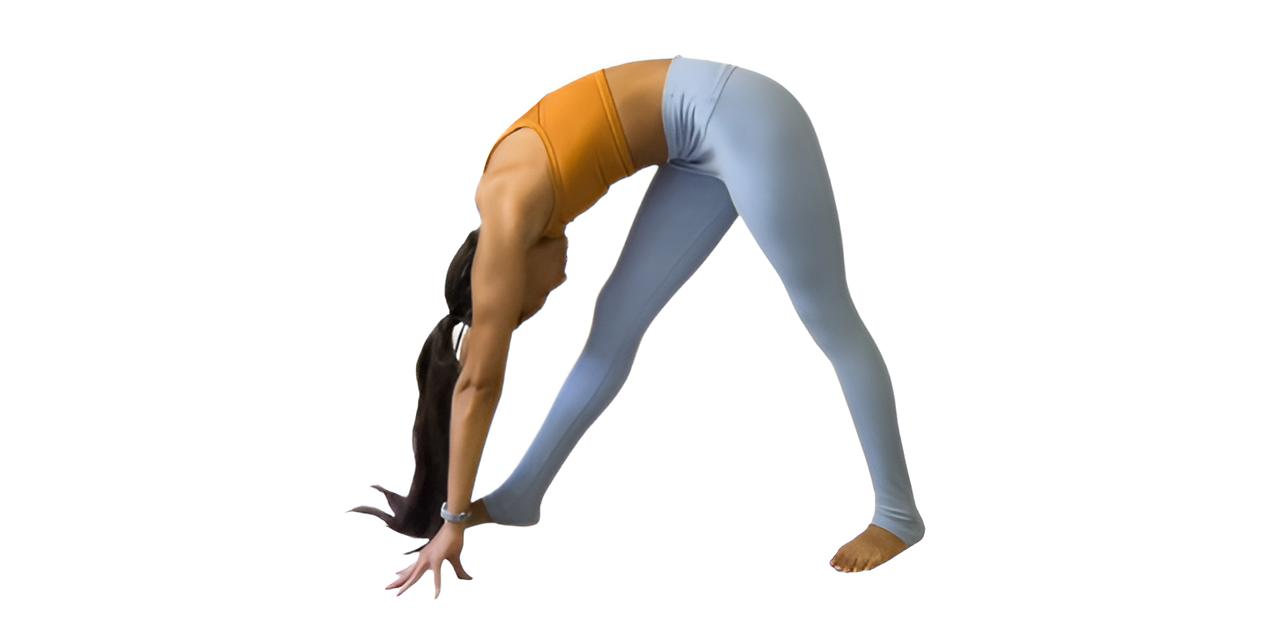
Gentle Yoga: Total Body Restorative Flow Fitness Health Track
While this isn’t your traditional restorative practice, this stretchy flow will leave your body feeling open and rejuvenated! This practice combines the best parts of a restorative practice and a vinyasa flow. We will move slowly, gently, and intentionally through feel-good movements that release tight muscles and stiff joints. Equipment: • Yoga Mat • Yoga Blocks [optional] Flow Structure Warming • Tadasana • Neck Stretches/Rolls • Half Sun A’s w/ Wrist Rolls • Vinyasa • Chaturanga w/ Knees Down • Baby Cobra Lifts/Lowers • Child’s Pose to Swan Flow Integration • Table-Top • Modified Side Plank • Gate Pose • Modified Reverse Warrior • Beast Plank Cat/Cows • Down-Dog Exploration • Low-Crescent Lunge to Half Splits Flow • Modified Runner’s Lunge w/ Twist • Forward Fold w/ Twist Peak • Warrior 1 • Warrior 2 • Reverse Triangle • Triangle Pose • Pyramid Pose • Revolved Pyramid Recenter • High Crescent Lunge • Airplane • Figure 4 Release • Passive Lizard w/ Quad Stretch • Puppy Pose • Child’s Pose w/ Threaded Needle • Supported Bridge • Waterfall or Happy Baby Rest • Your Savasana
Fitness Health Track Golf Workout Strength, Balance & Flexibility Exercises for Golfers Fitness Health Track
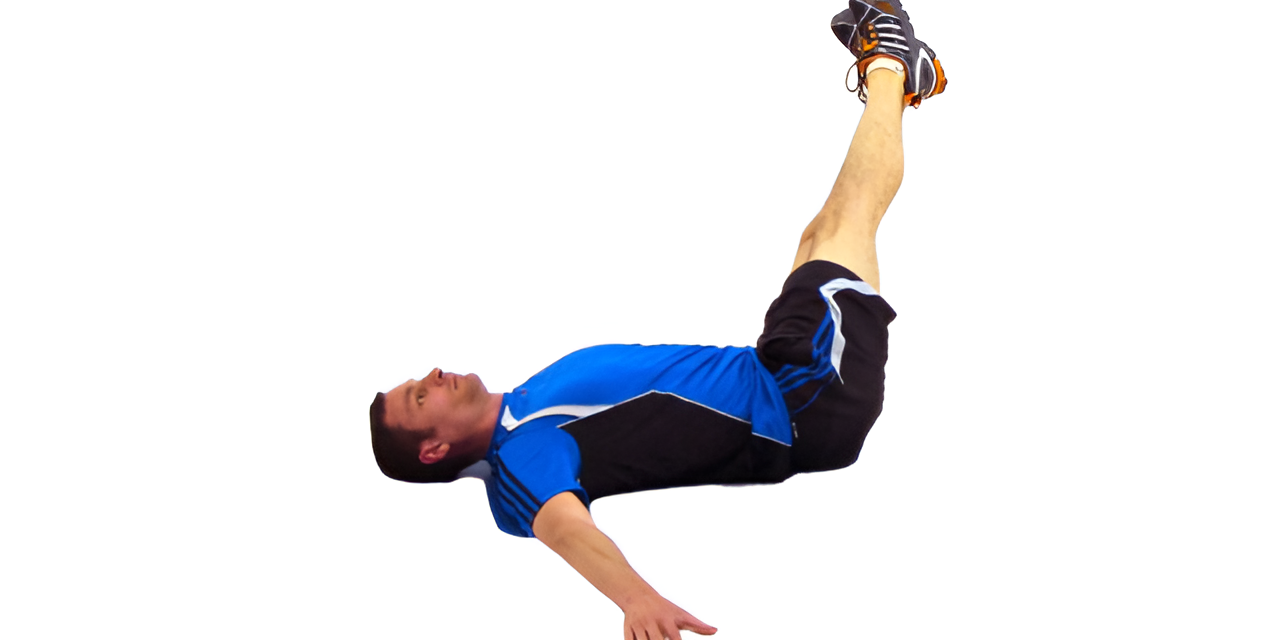
This golf specific routine has been built to focus on the three main areas of a better swing; strength, balance/control, and flexibility. All three of these components are integral to a solid, controlled swing that can be honed to produce an accurate shot. Flexibility is the most important of the three as it determines your maximum/minimum range of motion through your swing and your body’s ease of movement though that range. Once you have a full range of motion from flexibility you then need to be able to control your body in that range and that is where balance comes in. Balance training helps you to build control over you body and improves your swing by decreasing your reaction time to changes in your center of gravity while you swing. What would normally be a large wobble to regain control turns into a rock solid stance after diligently training of one’s balance and control. Strength is the final piece that adds the extra distance to your drive, but not just any strength training will help. This routine has a combination of functional exercises that focus on the muscles used during a swing and train them to work together rather than isolating them from one another as many strength exercises do. Here are the exercises used in this program and a little about why they are used. Strength T Stabilization: These help build core strength and teach the body how to align itself, even under lateral stress. This is also a great movement for building balance and body control. Windshield Wipers: This exercise is great at focusing on the rotational motion through your torso that directly corresponds to the rotation of the torso through a golf swing. Prone Hovering Lateral Raises: Though these do not directly relate to a golf swing they are used to build strength and range in the upper back and shoulders to provide support and stability during your swing. Side Plank with Leg Raise: Though difficult, this motion helps to build stability and power in the hip joint to help shift weight between legs and push the hips in the direction of the swing needed during a powerful drive. Side Push Up: These help to build the chest muscles and give maximum power in a swing even through the last bit of the shoulders range of motion. Band Reverse Fly: This exercise helps build strength in the rear deltoid, rhomboid and traps to help that leading arm develop control and power during a drive. Balance Toe Balance: This helps to build control and endurance through the ankle complex when you have your weight in the ball of your foot. Heel balance: This is the same as the toe balance but helps for when you have your weight in your heels. Ice Skaters: This provides not only hip control for both legs but also helps balance through the small muscles of the foot and ankle. Balance Pad Swing: This helps to build coordination throughout the body when performing a swing, to give the most solid stance possible through the important few inches before and after contact with the ball. Single Leg Dead Lift: Not only does this exercise provide a challenging exercise for balance but it also provides extra strength and control to the hip by strengthening the butt and hamstring. Flexibility Toe Touch with Flat Back: The lower back is constantly trying to round to reduce tension on the hamstrings when in the proper swing stance. So this exercise forces the hamstrings to stretch, lowering the amount of tension felt in the back during a swing. Torso Twist Against Wall: This helps to increase the rotational range of motion throughout the trunk and directly improves range of motion in a swing. Wall Shoulder Stretch: This stretch helps to increase range of motion in the shoulders, lowering the impact of an imbalanced and tight shoulder joint on your swing. It also relieves tension generated by the intercostal muscles. Wall Chest Stretch: This improves the range of motion in the shoulder related to the chest muscles, allowing for a greater rear and follow through swing. Calf Stretch: This allows the foot and ankle to move more freely and keeps a tight calf muscle from interfering with balance and control. Supine Trunk Stretch: This stretch, which is a static position of the windshield wiper, helps to increase range of motion around the torso to give more trunk rotation during a swing. Combining all of theses sections for a full routine will set the stage for that perfect golf swing. You can use this as a routine to see improvement by doing it 3-4 times a week or use it as a maintenance routine and do it 1-2 times per week.
Active Stretch Flow for Hips, Core, and Lower Body Fitness Health Track
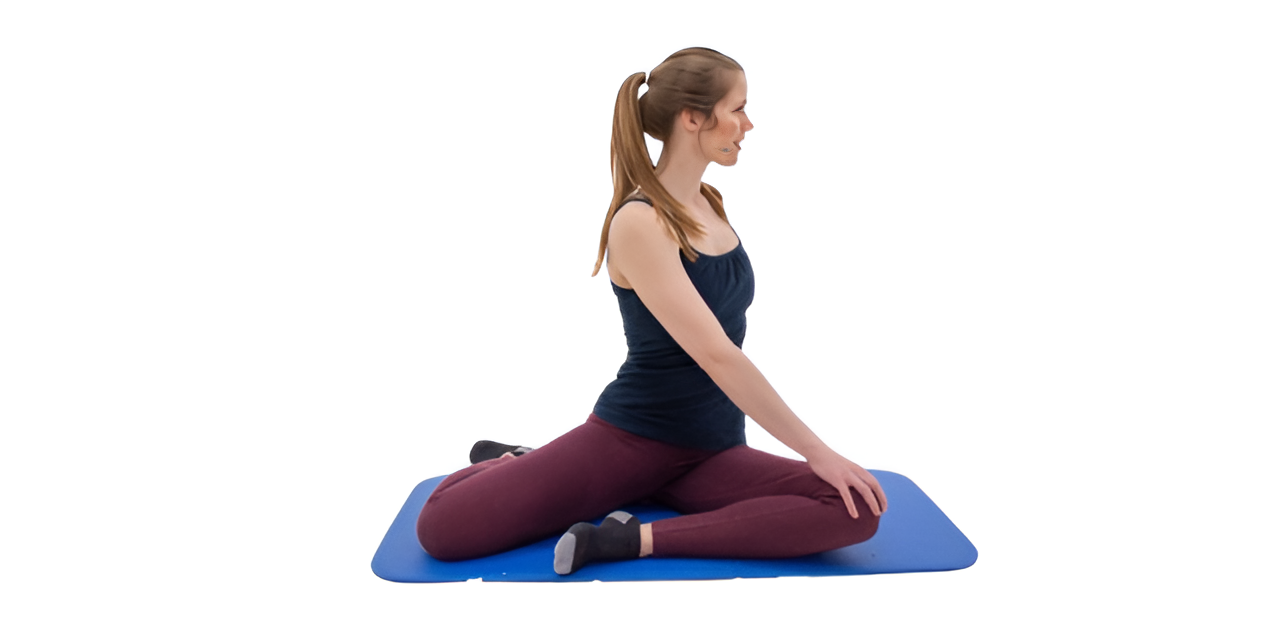
Active stretching can be a real treat for the body and the mind. Gentle stretches that involve movement can help improve circulation, boost mood, and bring a sense of relaxation to the muscles. The stretches in this workout are largely fluid in motion, involving repeating different combinations of specific movements intended to provide tension relief for the hips, lower body, and core (with a handful of opportunities to focus on the upper body, as well). All the way through this routine, I invite and encourage you to focus on your breath. There are a lot of opportunities – and real time cues – about how to breathe in coordination with the movements, but there’s also a lot of room for creativity, personal interpretation and implementation. I recommend focusing on slow, deep breaths through the nose, with extended (longer than your inhale) exhales. Focus on sending your breath to different places in your body — especially deep down into your lower belly, but also, variably, through your ribs, shoulder blades, armpits, and chest (and sometimes, all of the above in a comprehensive effort to “expand”). If you don’t have the capacity to focus on breathwork in addition to showing up for your workout today, I want to let you know that whatever you’re capable of putting forward right now is enough. So if you’re following along with this in your pajamas to your favorite guilty pleasure show — I see you, I support you, and I want you to know that I often do the same. It all counts. This routine can be used in a lot of different ways, and all of them are good enough. If at any point you come across an exercise or range of motion in this routine that causes you pain or severe discomfort (physical or mental), simply replace it with a stretch that you feel more comfortable with. Workout Structure The first few minutes of this routine are meant to be a light “warm up” for cold muscles, and it involves gentle motions, just to get your brain and body ready. A few minutes in, we move onto active, fluid stretches in lengthy intervals, meant to help with muscle tension and overall relaxation. We’ll be doing each range of motion for 45 seconds active, followed by a full 15 seconds of rest or transition time. You won’t need any equipment or a separate warm-up or cool-down for this workout. Printable Workout: 45 Seconds Active, 15 Seconds Rest/Transition Standing Torso Twist Arms Swing (passively then with grip for stretch through arms) Overhead Stretch + Arm Sweep to Floor Rainbow Reach + Pivot Step Super Slow Walkdown with Foot Pedaling Active Thread the Needle (push back into Child’s Pose between) Quadruped Torso Rotation + Spinal Flexion (between sides) Spinal Circles (1 each direction) into Bird Dog (1 rep on each side) Quadruped IT/Torso Stretch + Lean & Look (1 leg stretched behind other, alternating) Adductor Rock Other Side Mermaid Rocks + Forward Lean Other Side (switch leg positions) Pilates Saw Middle Stretch (freestyle) 3 Figure 4 Leans + Switch Extended Leg Pretzel Leg Drops Pretzel Leg Drops + Torso Twist Holds Seated Chest Stretch Side Lying Pilates Stretch (freestyle: calves, core, sides, chest, wrists, ankles, etc) Quad Stretch Other Side (repeat both exercises) Supine Torso Twist + Thoracic Rotations (alternating sides after thoracic rotation) Supine Leg Extensions (Freestyle Hamstring & Calf Stretch) Imprint Knee Hug Back Rub Full Body Stretch + Single Leg Pull (Alternating) I hope that you enjoyed this workout and that it treats you well. Let me know what you would like me to film next! Thank you for working out with me, Kelli
Partner Yoga Workout Feel Good Partner Stretches Toning & Stretching Workout Fitness Health Track
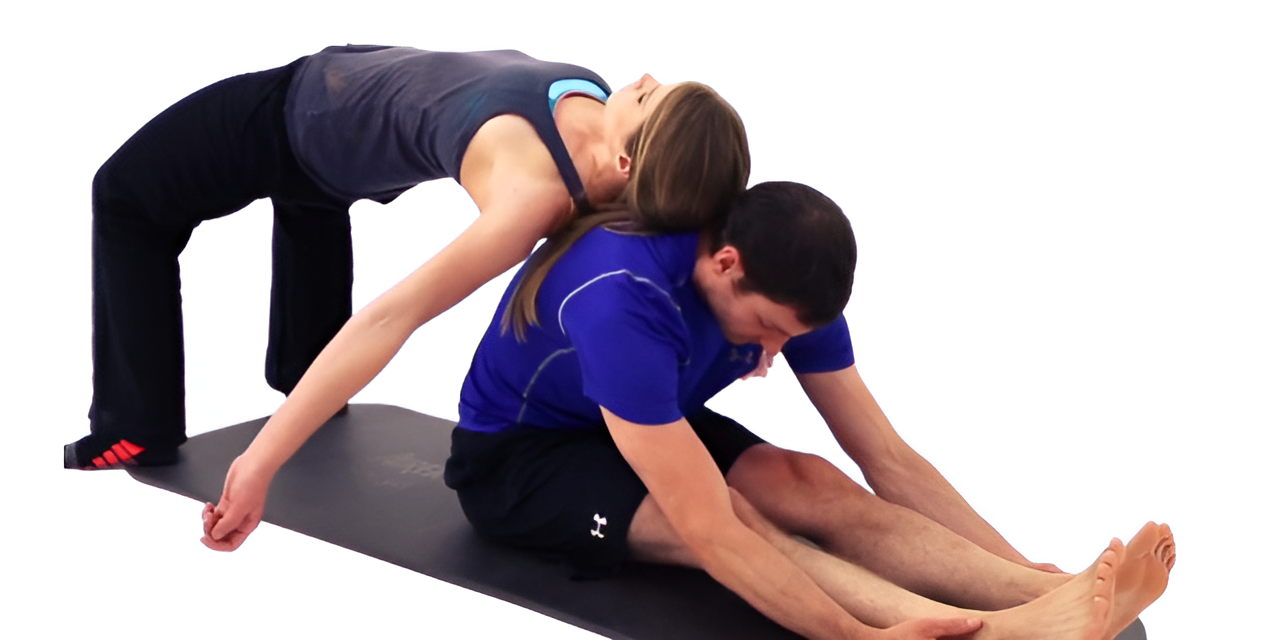
We had so much fun designing and writing this partner yoga (inspired) workout! All of these stretches feel great, and most of them are intermediate friendly, or easily adjusted to meet the needs of each person. As an added bonus, there is even a toning benefit to this feel good partner stretching workout. What’s fun and challenging about this workout is that you really need to communicate with your partner. You can’t just jump right in to the exercise and expect balance and flexibility limitations to just work themselves out – you have to talk to one another, and use feedback from both parties in order to make it work. All of these partner stretches are minimally..what’s the word..awkward, if you will, so feel free to tackle this routine with a friend or family member – they are no so intimate that they feel strange with a friend, but they are a lot of fun with your significant other, too. Remember that you should never stretch to the point where you feel any kind of pain – respect your body and the messages it sends you by not pushing it to the point where it is vulnerable to injury. Some of these exercises may yield a very small range of movement, and that is just fine. Workout Structure 9 Partner stretches No equipment Fluid stretches held for varying amounts of time Supported Quadriceps Stretch – Stand on one leg and pull the opposite leg to your butt so that you feel a stretch through the front of your thigh. Rest the opposite hand on your shoulders partner for balance. Chest/Shoulder Stretch/Press – Place both hands on your partners shoulders and bend at the waist until you both feel a stretch through your lower back and shoulders. Partner Backbend Stretch – Grab one another by the hands or arms (depending on your body sizes) and lean backwards so that you feel a stretch all through your core. If one of you is significantly lighter than the other, you can make up for the difference by stepping forward with one foot, as I do, in between Daniel’s feet. Tree Pose Pulls – Stand back to back and go into a tree pose. Stretch your arms out wide to your sides and place your palms so that they’re facing one another; now pull back and forth ever so slightly, and slowly, so that both of you feel a stretch through your chest. Seated Torso Stretch – Sit crisscross applesauce back to back and turn in opposite directions to stretch all through the torso. Child’s Pose + Toe Touch – Have one person get into a child’s pose, and the other person stand near their feet. While the person is doing the child’s pose, the one who is standing bends forward for a hamstring and lower back stretch, while walking their hands up and down the opposite person’s back (a mini back massage!). Seated Hamstring Pulls – Sit with legs wide; grab each others hands (or forearms depending on your flexibility) and gently pull each other back and forth, holding the stretch briefly before pulling the other person back. Butterfly Pulls – Stay in the same position as the seated hamstring pulls, but bend at the knees to bring the soles of your feet together; repeat the slow pulls back and forth. Toe Touch + Backbend – This one has to be my new favorite! Don’t be intimidated; if you can do a backbend, this will probably feel easy, and even if you can’t do a backbend, you will find that this actually demands less range of motion than that more traditional move. Have one person lean forward for a seated toe tough stretch. Have your partner press their back into yours to push up into a bridge; now let your arms hang for a nice stretch. We hope you enjoyed this partner workout as much as we did! Here’s a throwback favorite of a partner workout, one we did for our 100th workout video, a year or two ago: Partner Workout Video with Daniel and Kelli Let us know if you enjoyed it and we would be happy to make you more like it.
Mat Stretches for Stiff Hips Fitness Health Track
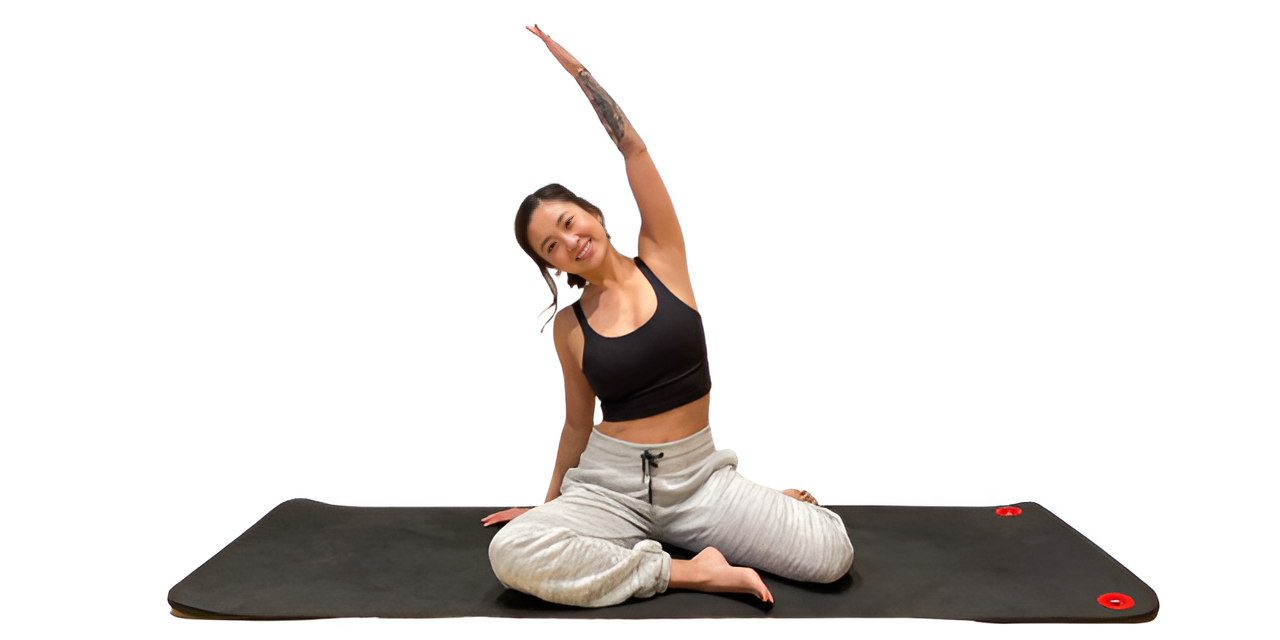
We’ve talked quite a bit about the pitfalls of the “Couch Slouch” and what too much sitting can do to your body. Let’s take a minute to explore what sitting does to your hip joint, in particular. But before we do that, it’s necessary to understand how the hip joint works. It’s known as a ball-and-socket joint, since the ball (the head of the thigh bone) fits snuggly into a cup on your pelvis. Both surfaces are lined with cartilage, and the entire joint is held together by a thick, fibrous capsule and multiple ligaments. The capsule itself is filled with clear joint fluid. Knowing the anatomy of the hip joint can allow you to visualize the problems that come with long periods of inactivity. Sitting increases pressure to specific parts of the hip bones and reduces the amount of joint fluid that is necessary to keep the joint healthy. That, combined with a lack of movement, increases the risk for injury, stiffness, and pain. What happens to the muscles, ligaments, and hip capsule when we sit for too long? Well, they tighten up, resulting in a loss of range of motion and mobility. Chronic problems with the hip joint can result in excessive pelvic tilt, Dead Butt Syndrome, or low back pain. Related: Why Does My Hip Hurt? Understanding Common Hip Conditions and Treatment Options For many of us, sitting for long periods of time is unavoidable. However, doing simple, yet effective, workouts like this one can help keep the pain and stiffness away. Combine this with a lower back stretching routine to get the most of your efforts. What are some of your favorite stretching routines? I’m always up for some inspiration! Printed Workout Modified Child’s Pose Figure 4 Stretch for QL – L Figure 4 Stretch for QL – R ½ Pretzel Stretch for QL – L ½ Pretzel Stretch for QL – R Hip External Rotation Activation – L Hip External Rotation Activation – R ½ Pretzel Forward Lean – L ½ Pretzel Forward Lean – R Adductor/Groin Rock – L Adductor/Groin Rock – R Written and Filmed for Fitness Health Track by Kayla C, PT, DPT Board-Certified Neurological Clinical Specialist
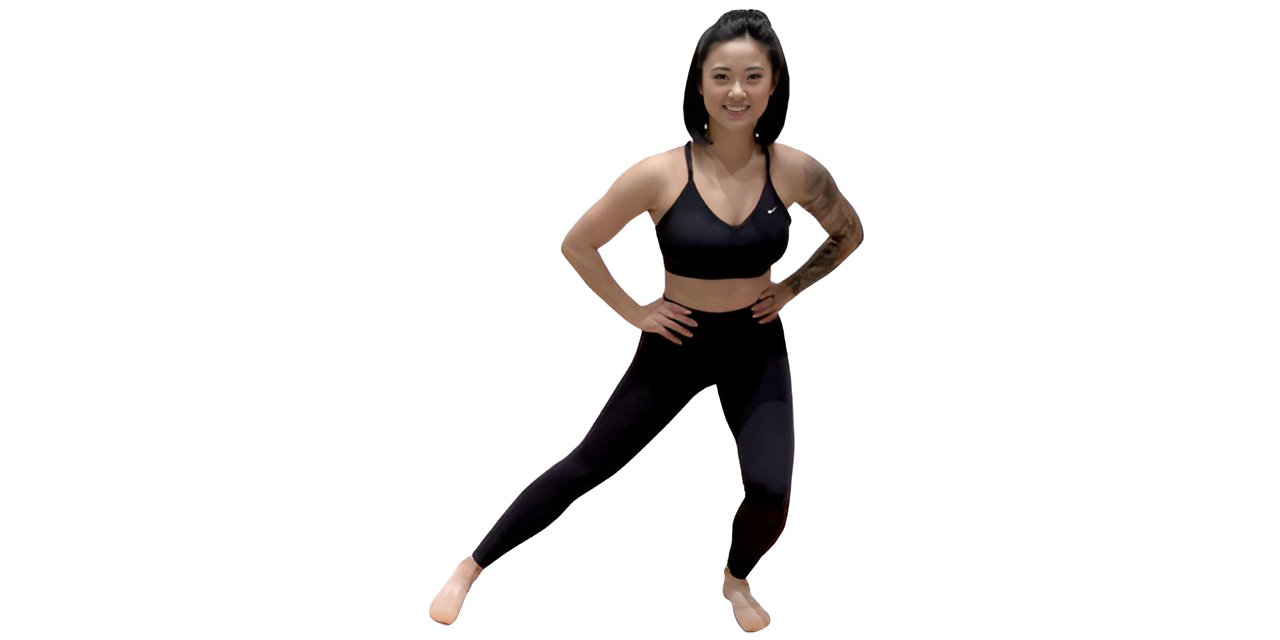
2 Week Challenge Day 9: Total Body Mobility Workout for Active Rest Days Fitness Health Track
Welcome to Day 9 of Fitness Health Track’s Free 2 Week Challenge! Today’s focus will be on total body mobility for active recovery. Come on in! We know you’re probably sore, especially after doing some lower body work with Tasha for Day 8. That’s why we’ve put together this workout that’s full of mobility TLC for your muscles, joints, and ligaments. Rest and recovery days are essential for all workout programs. They allow you to refocus and regain the energy needed to repair muscle fibers. When planned appropriately, recovery days can feel just as engaging as a typical workout! Our workout is divided into upper and lower body work. These mobility circuits are sandwiched between a quick warm-up and cool down to prepare your body for movement and joint loading. Avoid the tendency to skip these important sections as this increases your risk for injury. Are you new to mobility work? All are welcome here, and there’s always something new to learn about your body and how it moves. If you’re interested in more, check out my Trainer Series, Move with Kayla, or our 2-Week Mobility Challenge. Good luck, and we’ll see you inside! Printed Workout Warm Up • Toe touch circles • Standing side bend • Thoracic rotation • Over/unders • Forward lunge with overhead reach (alt) Upper Body Mobility Circuit 1 • Open book • Bird dog • Dive bomber • Half kneel thoracic sidebend *Water Break* Spine/Lower Body Mobility Circuit 2 • Runner lunge (alt) • Runner lunge + windmill arm • Scorpion • Scorpion sequence • Squat to hamstring reach • High plank > Leg extension with rotation • Deep side lunge > Thoracic rotation *Water Break* Stretching/Cool Down Circuit • Lower trunk rotations • Hamstring stretch • Piriformis • Upward dog • Cat/Cow • Shoulder retraction • Seated leg swing
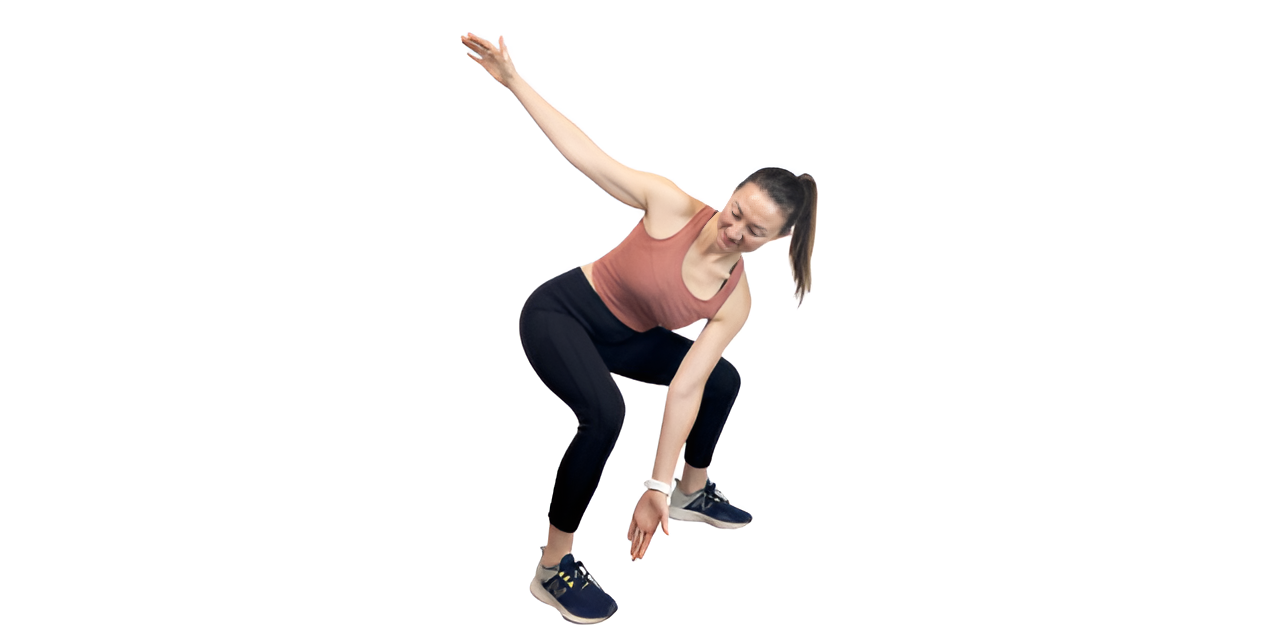
2 Week Challenge Day 3: Low Impact Cardio Workout with Mobility Exercises Fitness Health Track
Welcome to Day 3 of Fitness Health Track’s Free 2 Week Challenge! If you’re on the lookout for a moderate-intensity workout that will leave you feeling better than you started, you’re in the right place! This routine combines low-impact cardio moves with mobility intermissions to both elevate your heart rate and mobilize your joints from a warmed-up place. This is an active recovery workout that can be tailored to many fitness levels with various modifications and progressions offered throughout. While this is a level 2 workout, don’t shy away if you’re looking for a little something more. I selected the exercises based on their ability to scale up or down. As always, simple adjustments make all the difference in your perceived exertion. Workout Snapshot: • 2 Low-impact Cardio Segments — 10 minutes each • 2 Mobility Segments — 3-5 minutes each • Modifications and progressions offered • 2 Water breaks included • Equipment: Bodyweight only with optional mat for floor exercises There is no official warm-up as we’ll be diving right into some gentle cardio as an appropriate starting place. You’re also welcome to add an extended warm-up if you’d like. Our 2 low-impact cardio segments are mentally to gently increase your heart rate and incorporate many muscle groups without having to leave the ground. Each circuit is 10 minutes in length and contains 5 exercises completed for 2 rounds of 50 seconds on / 10 seconds off. We’ll be moving in many different planes of motion with modifications and progressions offered to fit your needs! Within this workout are two mobility sections. The first is 3 minutes in length and comes right after you’ve been warmed up from the first cardio segment, making your muscles warm and ready for mobility work. The second mobility segment is 5 minutes long and serves as a lengthier cooldown targeting the total body and leaving you with a revitalized feeling. A note on modifications/progressions: As a rule of thumb, you can progress any of these exercises by increasing your speed, adding light hand weights where possible, or performing a high-impact version of the move. Likewise, modify by slowing down the movement and/or reducing range of motion. I have no doubt you’ll leave this workout feeling fresh and energized in your body. Get ready to show your heart and muscles some love and be sure to thank yourself for showing up! Which mobility exercise did you need most today? Let me know how you feel in the comments below! Workout Cardio Segment 1 (10:00) — 5 Exercises, 2 rounds, 50 sec on / 10 sec off March in Place Butt Kicker + Row High Reach + Stepback + Tapdown, alternating Wide Squat + Opposite Toe Reach, alternating Reverse Lunge Chop, alternating WATER BREAK Mobility Intermission (3:00) — 4 Exercises; 45 sec each, back to back HS Stretch + Deep Squat Rocks Down Dog + Spider Lunge, alternating Quadruped Thoracic Rotation + Kneeling Shoulder Stretch (last 10 sec) – R Quadruped Thoracic Rotation + Kneeling Shoulder Stretch (last 10 sec) – L Cardio Segment 2 (10:00) — 5 Exercises, 2 rounds, 50 sec on / 10 sec off Side Lunge to Single Leg Balance, switch halfway Lateral Shuffle with Curtsy Tapdown 3-Way Jabs, alternating Skiier Swing + Calf Raise Low-Impact Star Jacks WATER BREAK Mobility Cooldown (~5:00) — 40 sec each Hip Flexor + Hamstring Stretch – R Hip Flexor + Hamstring Stretch – R Cat/Cow Adductor Rockback + Side Reach – R Adductor Rockback + Side Reach – R 90/90 Stretch with Forward Lean Torso Rotation + Open Book – R Torso Rotation + Open Book – L
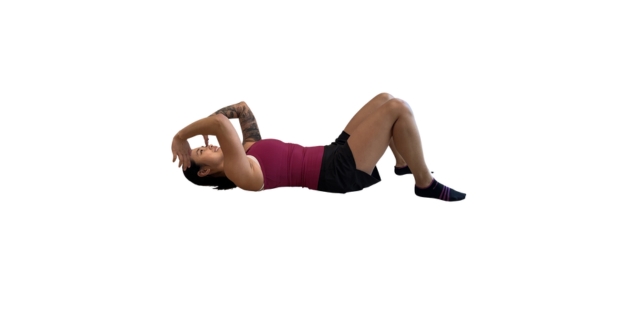
Floor Mobility for the Upper Body Fitness Health Track
Overview These upper body stretches provide the perfect solution for maintaining healthy movement. Improve your posture and reduce stiffness in just a few minutes a day!
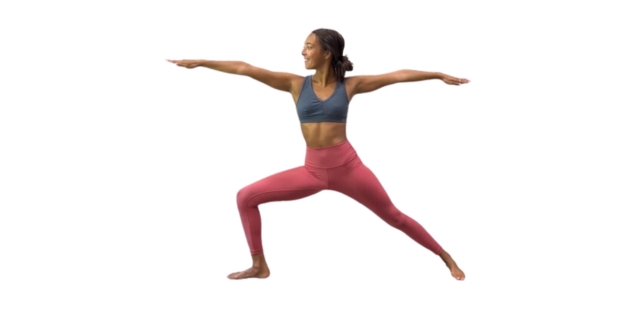
Quick Total Body Power Yoga Fitness Health Track
Build a little heat and release muscle tension in this total body power flow! This practice is best suited for those who consider themselves beginner-level practitioners. While this flow moves slowly and is friendly for those who are just beginning their yoga journeys, I do not recommend this class for those that are completely unfamiliar with the yoga poses. I do not break down the technique for each posture, as this practice is intended to be friendly to most students. To begin, we will move through a series of postures intended to warm up the spine, engage the core, and integrate the breath with our movements. It’s important to take this time to inhale and exhale fully and deeply through the nose, and in alignment with our movements, so that we can begin to build some internal heat and increase awareness of the body. Additionally, the integration portion of our warm-up is a great opportunity to build some fluidity in the joints, and to begin to open and release muscle tension. From integration, we will move into warming, where we will continue to build that internal fire and increase the heart rate. I like to think of Sun A’s as the yoga version of a burpee: you can take these as slow or as quickly as you’d like, you can add transitional movements to advance your practice, or you can take modifications of the postures that aren’t serving you. Sun A’s are a great way to customize your practice to fit your needs; they are also a great foundational flow, so if you choose to follow along with me, the movements will be simple (easy to follow) and they can still pack the heat. Vinyasas are in the same boat as Sun A’s: completely customizable to fit your needs. With that being said, however, while it is completely up to you on whether you want to take the vinyasas or skip them altogether, I would encourage you to try them out because they are a great way to continue building that internal heat. Vinyasas are simple movements that you can choose to make more complex depending on your skill level. The foundational vinyasa that we will move through in this practice will definitely elevate your heart rate, help you to work up a sweat, and build tons of strength in your core and upper-body — even if you choose to modify and take the Vinyasa from your knees. From our Sun A’s, we will move into exploration, elevating the heart rate even higher. Similar to Sun A’s, Sun B’s are like 3-part yoga burpees. They typically consist of Chair Pose and Warrior 1, separating each posture with a vinyasa in between. Sun B’s, again like Sun A’s, are completely customizable, so if you would like to add anything to this portion of your practice, please feel free to make it your own. Though we are only moving through 1 full round of a Sun B (there are typically at least 3 rounds in a power class), we will take about 3 breaths in chair pose and each side of Warrior 1, exploring the fire the will build in our quads and glutes. These poses sneakily challenge our core as well, so even when you’re tempted to maybe not take your fullest expression of a lunge or squat, I challenge you to play your edge and breathe through the discomfort. Reaching the peak of our practice, we will move into some hip-opening with our Warrior 2-focused sequence. The peak of our practice will not only challenge our lower-body strength, it will challenge our hamstring flexibility and hip and spinal mobility as well. Beginning to bring the heart rate back down and re-center our breathing, we will finish off the standing portion of our practice with some balance work. These postures will challenge the strength of your ankle stabilizing muscles as well as your core, and you will find that the poses are a test of your total-body flexibility and mobility. After a final vinyasa, we will have reached the seated/reclined portion of our practice. This section is intended to help lower the heart rate back to normal (or close to normal), and help you find release in all of the muscles that we just worked. The postures will focus primarily on increasing flexibility and some mobility. If there are any final poses or movements that are calling to you that I did not suggest, please feel free to continue your practice and take what feels good. We will complete our practice by getting our feet over our head in an inversion of your choice (Happy Baby is the one I offer in this practice) and take our Savasana. Stay in Savasana for as long as you’d like; you do not have to close your practice when the video ends. I hope that you enjoy this practice, and that it leaves you feeling strong and released! Let me know in the comments below which moments peaked your creativity and curiosity about where you can take your practice next! Workout Notes • For the Vinyasas, I encourage you to make these your own! You can modify them by taking the chaturangas (essentially half a push-up moving from high to low plank) from your knees; you can shift back to child’s pose; you can skip your vinyasa altogether and meet us in Downward Dog. To make these more advanced, you can take several chaturangas and/or take them with one leg lifted. If inversions are in your practice, you can play with moving from a handstand or crow to a chaturanga. This is your practice — take or skip what will best serve your body! • This practice moves relatively slow and explores more foundational postures. Sometimes those factors combined can make it easy to tune out — especially if you’re an advanced practitioner. However, I invite you to focus on the breath, and breathe fully with every movement. Allow the heat to build with your ujjayi breath and turn your awareness to your body. Notice how the same postures might feel completely different on each side. Notice where you’re unnecessarily holding onto tension or sinking into your joints without the support of your muscles; make adjustments or modifications where/when it feels necessary. Take your own creative spin on this practice and see where your body guides you. Wherever you set your focus, whatever postures you choose to take/don’t take, I invite you to dive fully and deeply into the present moment! • During Warrior 1 for our Sun B’s, if the posture feels inaccessible for your hips, you can modify by taking High Crescent Lunge instead. • Please note that in all lunge postures, you can modify by dropping the back knee to the mat. If you are looking to lower the heart rate slightly, but wanting to stay in the lunge, you can always bring your hands to heart-center, rather than keeping them raised overhead. • Savasana is corpse pose: a pose at the end of yoga practices meant for rest and stillness, ease after the effort. Typically, savasanas are taken on the back, with your arms and legs fully extended and relaxed. However, I like to invite practitioners to take any posture that feels best in their bodies. You, of course, can take the traditional corpse pose. Or, to help your mind stay present, you bring one hand to the belly and the other to the chest to tune into the rise and fall of your breath. You can take the poses I suggested below (suggested for those looking for lower-back support) or take your own. This is your practice, and I encourage you to explore anything that spikes your curiosity. Equipment • Yoga mat • Yoga blocks [optional] Flow Structure Integration • Child’s Pose • Swan Pose • Cat/Cows • Thread-The-Needle • Beast Plank Static Hold • High Plank • Low Plank • Upward Dog • Downward Dog Warming • Sun A’s [x2] • Vinyasa [x2] ~ You can modify these by taking them from your knees; taking a child’s pose; or skipping them altogether and meeting us in Downward Dog. Exploration • Sun B’s [x 1] • Vinyasa [x3] Peak • High Crescent Lunge • Warrior 2 • Reverse Warrior • Extended Side Angle • Triangle Pose • Reverse Triangle • Vinyasa Recenter • Padangusthasana • Dancer Pose • Figure 4 • Final Vinyasa Release • Half Pigeon • Wild Thing • Seated Forward Fold • Bridge Pose • Gentle Spinal Twist • Happy Baby Rest • Your Savasana [Suggested Posture: Reclined Butterfly or Knees Bent w/ a slight internal hip rotation]