Workouts Library
Premium training sessions guided by elite coaches for maximum physical conditioning
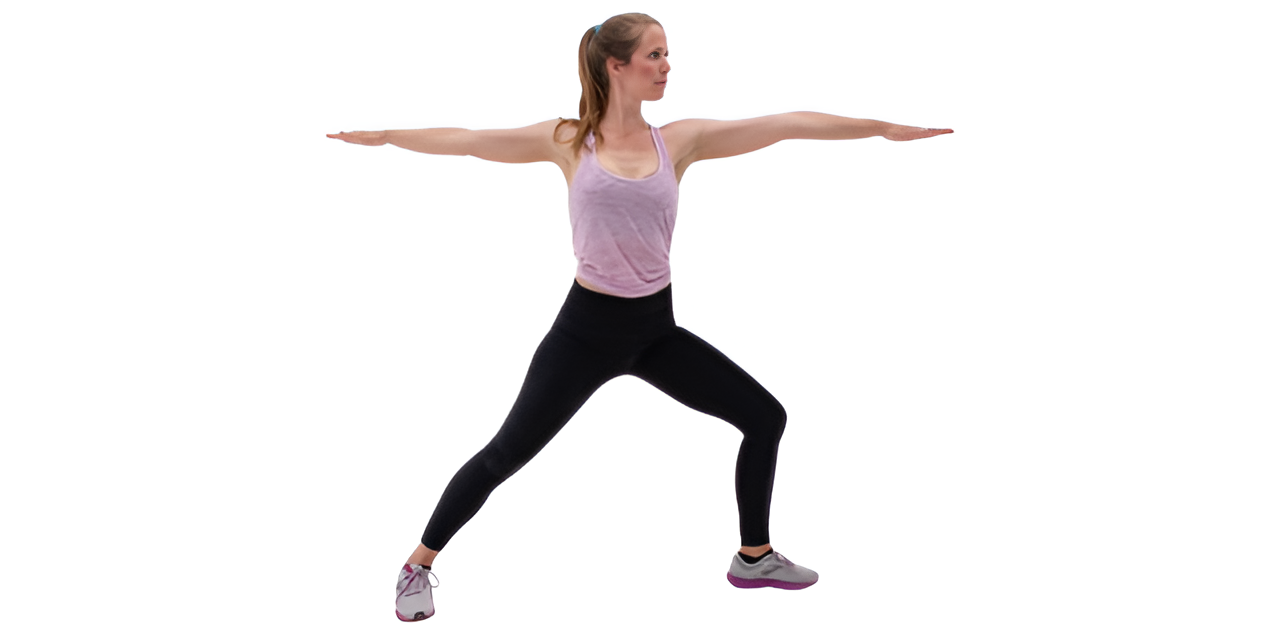
Total Body Cardio Warm Up Workout to Wake up the Body and Mind Fitness Health Track
I know that warm ups are tempting to skip, I can see that. I can even see that they might seem like an easy 4-10 minutes to cut off the beginning of your workout – every minute counts when living a busy life, right? Especially since training types that are challenging or more results-focused (like lifting or HIIT) don’t happen during a warm up. So I just won’t do the warm up; I’ll just move on to the more important, more intense, and effective part of the workout, right? That’s saving time, isn’t it? Except, when you pull, strain, or overwork something. Then you might regret not taking the time to warm up. Maybe something doesn’t feel quite right for a day or two, or five days; and then a couple of weeks later, when you haven’t given that “super minor” injury or tweak enough time to heal, now all of the sudden we have a “real” injury that needs time, space, and rest to heal. This can require weeks or months of careful, modified activity. I hope that it doesn’t sound like I’m judging you, because I’m not – I’ve just personally made this mistake before, and think it’s one that we should avoid. Skipping a warm up can ultimately require much more time and patience, than just committing to properly warming up before you push yourself through intense activity. Long story short, respect your body. Give injury or strain a wide berth to heal. Don’t skip the warm up, or the cool down. These shortcuts are not actual shortcuts, and could end up costing us more (time, energy, effort, patience) in the long run. So, now that you’ve recommitted yourselves to warming up properly, think about this – your warm up should look a lot like the workout that will follow. Warm up exercises should be slow, low impact, unloaded versions of the exercises that you will ultimately do quickly, ballistically, and possibly with extra weight or resistance. This warm up incorporates both upper and lower body movements, and could be a suitable warm up for strength, cardio, or HIIT workouts. Feel free to make each of the exercise intervals work for you, whether that means slowing or quickening the pace, the depth of any ranges of motion, or whether or not an exercise is low impact. Total Body Warm Up Workout – 30 Seconds Each Interval Jog in Place 3 Twists + Push Through High Knee March + Curl Step Back + Tricep Kickback Warrior Jacks Standing Jackknife High Knee Taps + Butt Kick Taps Slow Walkdown Freestyle Stretch Bird Dogs Push Up + Reach Bridge Toe Touch Drops Squat Butt Kickers Lunge Jumping Jacks Lateral Jumps The thing I love about our warm ups is that they can also be used all throughout the day, not just before a HIIT or strength workout. Our brains and bodies work best when treated to short breaks throughout the day – chances to get out of the chair and take our mind out of endless meetings and eyes away from the laptop, cell, or television screens. A quick little mental break, particularly when paired with a short bout of light activity, can help boost creativity, mood, and productivity – not even considering all of the many health benefits provided by that additional movement where one would otherwise be very sedentary. I hope you enjoy this new warm up. Let me know what you would like to see next!
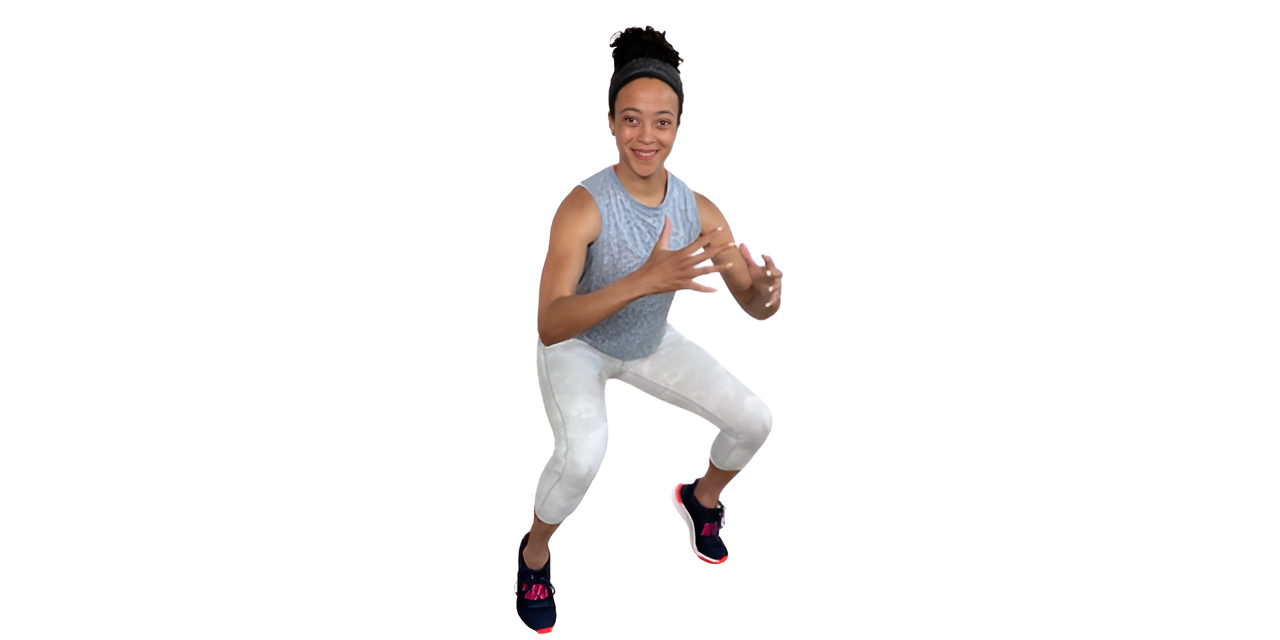
Quick Bodyweight HIIT with Active Recovery Intervals Fitness Health Track
In this fast-paced high intensity interval training (HIIT) workout you will prime each plyometric exercise with a preceding isometric contraction. There is very little full recovery time between exercises in this workout — you are either engaged in an active recovery or taking a quick five-second “shakeout” to transition from one working interval to the next. There are five pairs of isometric and dynamic exercises in this routine. Treat the 20-second isometric exercise as a lead-in to the following 30-second cardio-focused exercise. Imagine that you are in crouched formation at the starting line of a track meet for the 100-meter dash, mentally sharpening your focus on a stellar performance and physically storing explosive energy for your launch off the starting blocks. Transitioning from a constant muscle contraction directly into a quick-twitch muscle fiber dynamic movement pattern improves your ability to quickly adapt, adjust, and respond to varying energy demands with the appropriate energy pathways. This contrast in energy needs makes for an intense workout. As with many other HIIT workouts, the benefits of this training style extend beyond the workout. In addition to the potential for increased post-workout calorie burn and cardiac output, HIIT workouts challenge you to put forth an uncomfortably challenging effort that improves your mental stamina and dedication toward similarly challenging endeavors both within and outside of the fitness arena. There are a few five-second shakeouts sprinkled throughout the workout towards the end of each segment/before each water break as well as before the cool-down. Otherwise, your scheduled breaks occur during the two water breaks and cool-down. During your five-second breaks, catch your breath and reset your posture before moving on to the next exercise or feel free to omit the shakeouts and proceed to the next exercise with no rest for an extra challenge. Five seconds might not seem like a lot of time, but using these few seconds to regroup is monumental for your tired muscles and brain. Enjoy the three “challenge” intervals in this workout! Don’t worry — these are not random intervals and I always prepare you for their arrival. Each challenge interval combines slow and quick tempo movement patterns as an extra opportunity for you to push your physical (and mental) capabilities to the limits. Have fun. Beware your sweat. Workout Warm-Up: 30 sec per exercise, no rest between exercises (4:00) -Squat + Knee Hugs (alternating) -Butt Kickers -Reverse Lunge + Overhead Press (alternating) -Inchworm + Knee Pull-Ins -Jump Rope -Deep Squat + Torso Rotations -Line Hops (forward and back) -Jumping Jacks + Quarter Turn Format for each Pair: Hold an isometric contraction of the first exercise in each pair for 20 seconds, followed immediately by 30 seconds of quick, explosive movement during the second exercise. Complete each pair twice (no rest between rounds). Recover approximately 30 seconds between and after pairs with the (optional) active recovery exercise. Pair #1: -Squat Hold + Heel Lift -Quick Squat Hops (forward and back) Active Recovery #1: Bodyweight Squats Pair #2*: -Lunge Hold + Arms OH -Lunge Hop w/ Sprinter’s Arms (*R leg forward on round 1, L leg forward on round 2) Active Recovery #2: Alternating Reverse Lunges Challenge #1: 45 sec, 1 round -3-Count Squat + Quick Squat Jump + Squat Thrust ***Water Break #1*** Pair #3: -Superhuman Hold -High Knees Active Recovery #3: Jump Rope Pair #4: -Forearm Plank -Twisting Mountain Climbers Active Recovery #4: Full Plank + Down-Dog Challenge #2: 45 sec, 1 round -3-Count Push-Up + Plank Thrust ***Water Break #2*** Pair #5: -Hollow-Man Hold -Sprinter’s Sit-Up Active Recovery #5: Dead Bug Challenge #3: 45 sec, 1 round -3-Count Bicycle Crunch + Toe Reach Crunch Cool-Down: approx. 4:00 (approx. 30 sec per stretch) (all on the mat) -Full Body Supine Stretch -Knee Hug/Spinal Massage -Hamstrings Stretch – R -Quads/Hip Flexors Stretch – R -Hamstrings Stretch – L -Quads/Hip Flexors Stretch – L -Chest Opener Stretch -Tree Hug + Shoulder Rolls
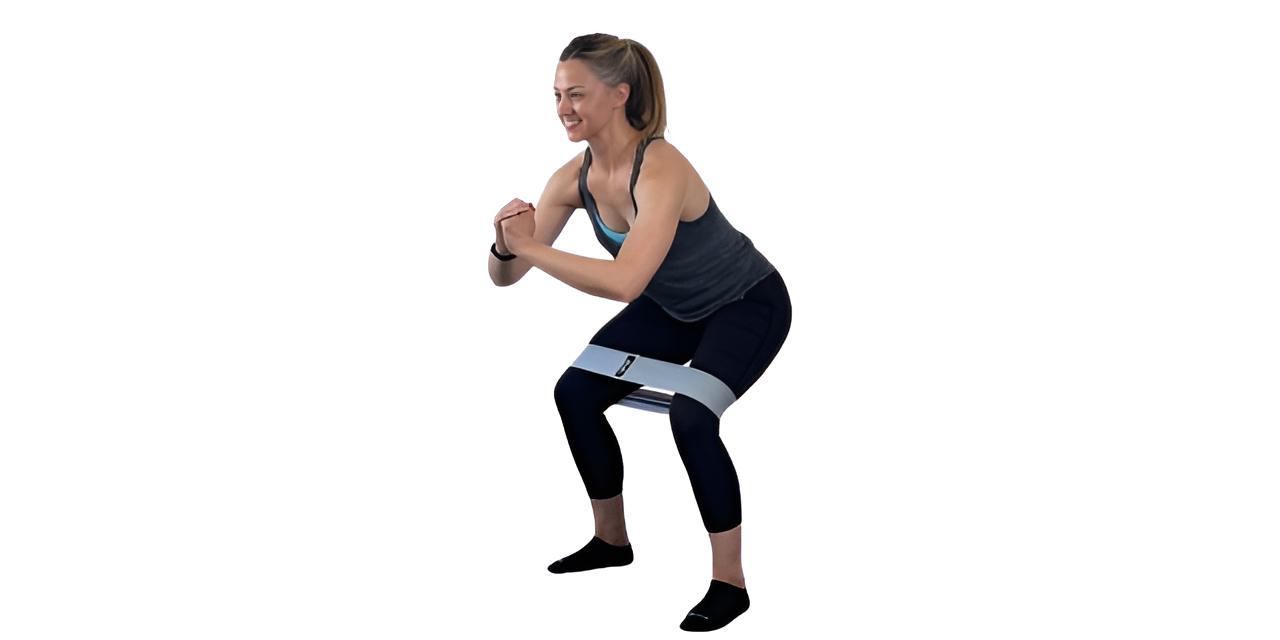
Lower Body Pilates with Resistance Band Fitness Health Track
Okay, for real this time: I was sore after this routine. Even though I have legit reasons, I was still a little surprised! I used a “light” resistance band, but it did not feel very “light” with some of these exercises. Also, working out has been a struggle for the past three months: between recovering from an ankle sprain, work, life, adulting, human-ing, dog-mom-ing, etc., finding the time and motivation to exercise has been difficult. Holy cow, am I a downer or what? LOL. Remember, there is always hope, especially when you have a plan. Over the next month, I will work out three times a week for no more than 30 minutes. That is just long enough to get my heart pumping and feel accomplished, but not so long that I get stressed out about taking time away from my other commitments. **Workout Highlights** • 27 minutes, 3/5 Difficulty • Warm-up and cool-down included • Water break included • Easiest way to modify this routine: • Use a lighter resistance band • Move through a smaller range of motion • Lose the band entirely • You will need a looped resistance band to go around your knees • Remember your rib to hip connection • Move with focus, precision, and control Anywho, enough about me, let’s discuss this routine! I’ve got you covered with your warm-up and cool-down; both are roughly four minutes long. Our workout is 15 minutes, with one water break towards the middle. We target your lower body from all angles: standing, lying on your back, and lying on your side. The most targeted muscles will be your glutes, quads, and hamstrings. Your core will engage automatically through the positions we will be working in, but don’t forget to engage it mindfully, creating that rib to hip connection. Some of these exercises can be deceiving, so choose your band wisely. You might even want to use a few different bands with varying resistance if you have them. Either way, lighten the resistance, move through a smaller range of motion, or lose the band altogether if your form starts to suffer. The Workout Warm-Up (4 minutes) 30 seconds each • Ab Bracing with Breathe • Table Top • Bear • Quad Hip Extension – R • Quad Hip Extension – L • Teaser Prep with Hands – R • Teaser Prep with Hands – L • Abdominal Hollow Workout (15 minutes) 45 seconds on // 15 seconds off • Squats • Squat Pulses • Standing Hip Extension – R • Standing Hip Extension – L • Standing Hamstring Curl – R • Standing Hamstring Curl – L ** Water Break** • Bridges • Table Top Clamshells • Lateral Scissors • Sidelying Front Hip Abduction – R • Sidelying Hip Abduction Pulses – R • Sidelying Fire Hydrant – R • Sidelying Front Hip Abduction – L • Sidelying Hip Abduction Pulses – L • Sidelying Fire Hydrant – L Cool-Down (4ish minutes) 30 seconds each • Hamstring – R • Hamstring – L • IT Band – R • IT Band – L • Piriformis – R • Piriformis – L • Mermaid – L • Mermaid – R Happy Exercising! I hope you enjoyed this lower body pilates routine.
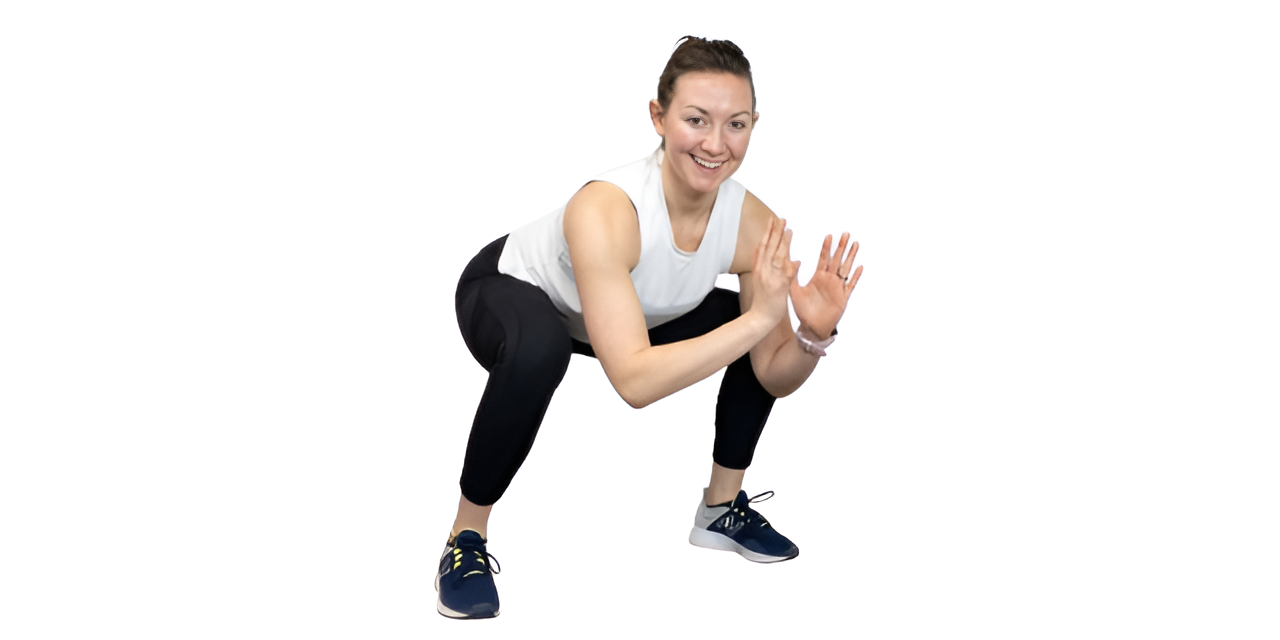
Bodyweight Strength with HIIT Burnout Sets Total Body Workout in 30 Minutes Fitness Health Track
In this workout, we combine longer bodyweight strength rounds with shorter HIIT intervals for the ultimate bodyweight challenge in under 30 minutes. If you’re short on time, this is a well-rounded routine to give you everything you need. On the flipside, if you have a bit more time to give, you can certainly combine this with a core finisher to round out the workout (see recommendations at the bottom)! We’re using one of my favorite formats, which pairs a 60 second strength exercise with a 30 second HIIT exercise. I’ve brought this format out twice before for the FB community (see Upper Body Strength and Lower Body Strength workouts) and it’s been a hit — or dare I say HIIT — each time. While there are so many benefits to strength training alone, it can be really powerful to throw a bodyweight routine in the mix from time to time (or maybe all of the time if your equipment is minimal — whatever works for you!). The reason bodyweight training is so beneficial is because it relies on functional movements that directly translate to daily life. Your friend asks you to help them move heavy furniture? No problem. Need to climb several flights of stairs because the elevator is broken? Easy. Walk around the zoo for hours with kids/grandkids? No questions asked. As with most of our workouts, modifications are provided. Below is a written list of the most common modifications offered in this video. Modifications to try: • Split Jumps – Try stepping feet together in the middle before jumping into the lunge. Or, for completely low-impact, take the jump out and do a reverse lunge instead. • Walk-down Push-ups – Complete the push-ups with knees down. • Squat Pivots – Take out the jump and instead step back on the pivot. • Plank Up/Downs – Drop to your knees or complete the exercise with hands on an elevated surface (i.e. couch or bench). Want to add a little time to this workout? Here are some core add-ons that would be a perfect match! 15 Minute Ballet-Inspired Core Add-On Quick Non-Impact Core Stand-Alone or Finisher Circuits Quick But Intense Comprehensive Core Workout Since we were talking about functional movement, I’m curious: how has exercise impacted your day to day life? Having a deep “why” like this is so helpful in exercise consistency. I’d love to hear about it in the comments! For me personally, it’s being able to lift my toddler multiple times per day without back pain, or being able to take a hike or bike ride without hesitation. I hope you enjoy this fun total body routine. Thanks for working out with me! Printable Workout Warm Up (4:00): 8 Exercises; 1 Round; 30 Seconds Each Hip Openers Standing Jackknife 2 Torso Twists + Knee Squat and Press Walkdowns Spider Lunge w/ Rotation Quick Feet Butt Kickers Workout Format: For each pair of exercises, you’ll perform the 1st exercise for 60 seconds, rest for 15 seconds, complete exercise 2 for 30 seconds, followed by a 30 second rest. Complete 2 rounds per superset before moving on. Superset 1: Squat Split Jumps Superset 2: Walkdown Push-up Mountain Climber WATER BREAK Superset 3: Clock Lunges Squat Pivots Superset 4: Plank Up/Downs, alternating lead arm Squat Thrust WATER BREAK Cool Down (4:00): 8 Exercises; 1 Round; 30 Seconds Each Child’s Pose Spinal Rotation – R Side Lying Quad Stretch – R Oblique Stretch + Shoulder Rotation – R Spinal Rotation – L Side Lying Quad Stretch – L Oblique Stretch + Shoulder Rotation – L Wide Leg Hamstring Stretch
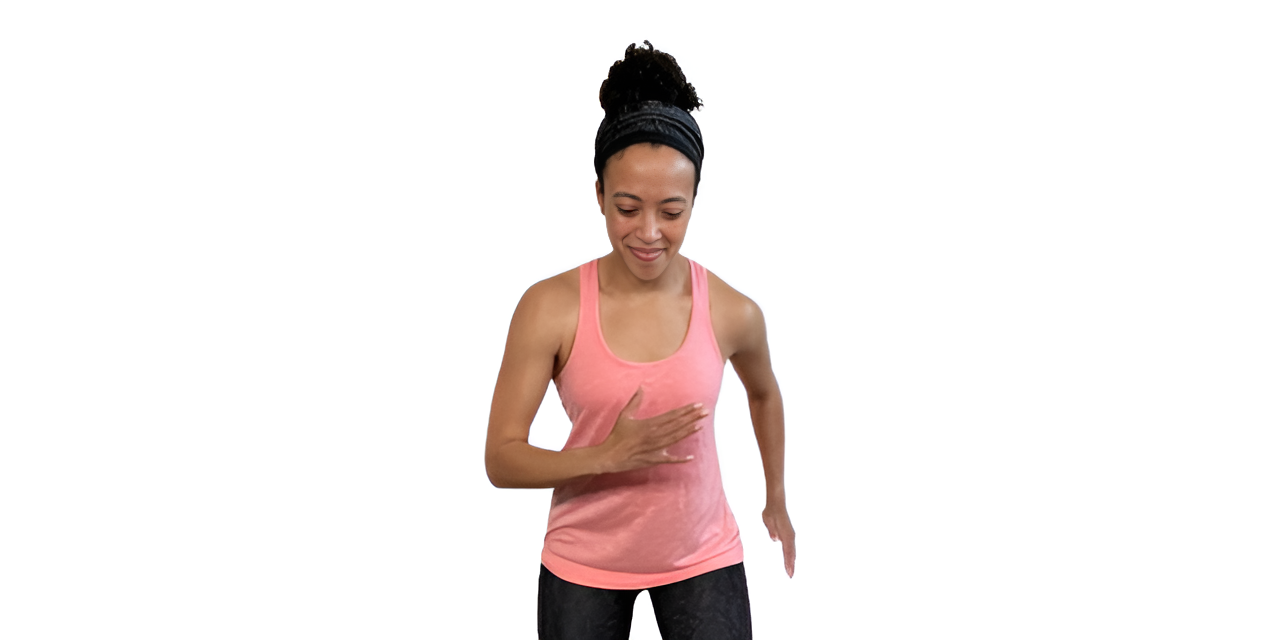
Quick Bored Easily Bodyweight HIIT with Athletic Drills Fitness Health Track
Whether you’re training for sport, moving to improve your health, and/or exercising for the sheer enjoyment of being physically active, you are an athlete. Bottom line: If you have a body and you move it, you are an athlete. In this bodyweight-only workout, you have the opportunity to challenge your sports drills skills within a bored easily high intensity interval training format. The exercises are infused with sports practice-inspired movement patterns that will challenge your coordination and agility both physically and mentally. As is characteristic of a bored easily workout, you will only complete each move once before moving on to the next one; however, there is a unique focus for each pair of exercises listed below. You will complete 30 seconds of a combination cardio exercise at a moderate tempo followed immediately by 15 seconds of a high intensity (full throttle) move that is the most straightforward element of the preceding exercise. For example, circuit #2 begins with a triple skater + single-leg hop combo for 30 seconds (moderate, submaximal tempo) and rolls directly into 15 seconds of skaters (the quickest tempo you can put forth, maximum effort). These maximum effort exercises are listed below in parenthesis next to each combination move below in the workout breakdown. You will then have 30 seconds of recovery before moving on to the next pairing. The workout concludes with a one-minute finisher comprised of four exercises that you will complete at maximum effort for 15 seconds a piece (no rest between moves). The benefits of high intensity interval training (HIIT) workouts are numerous, including: • Efficiency. The intense effort that you put forth during short duration workouts can elicit similar improvements as longer duration steady-state workouts (caloric expenditure, strength gains, cardiovascular endurance and health, etc.). • Improvements in oxygen consumption and energy utilization • A mental and physical challenge that builds fortitude for future workouts • The potential to burn more fat • You’ll feel like you can save the world afterwards Due to their demanding nature, HIIT workouts should not make up the majority of your weekly workout regimen. A 20 to 30-minute HIIT session once or twice a week is more than enough to experience the above listed benefits and save your body (and mind) from burnout. After all, your goal is to max out your efforts during the HIIT segments of your workouts. We cannot maintain such an intense effort without appropriate recovery! Try not to get hung up on the multicomponent nature of some the exercises in this workout. Do what you can and work within your current capabilities. As with any other HIIT workout, slow it down before you speed it up. Familiarize yourself with the movement patterns and find stability before increasing your tempo or taking on advanced progressions (regardless of the directives I provide in the video or in the write-up below). That being said, this is high level workout so I mostly demo the most advanced versions of each exercise in the video. Although I do mention movement alternatives, here are a few modification tips to prepare you for the workout before you press play: • Remove the jumping or hopping element from any exercise • Reduce the range of motion on any exercise • Decrease the tempo • Burpees — perform on a stable, elevated surface and/or remove the push-up (“chest to deck”) element • Plank position exercises (such as up-downs and mountain climbers) — perform on a stable, elevated surface or drop to knees where applicable All in all, just have fun! Workout Warm Up: 30 sec per exercise, no rest between exercises (4:00) -Squat + Calf Raise -Butt Kickers -Jumping Jacks -Reverse Lunges + Torso Rotations -Lateral Hops -High Knees (mid-tempo) -Push-up + Down-Dog -Slow Squat Thrusts Format for Circuits: 30 sec on (moderate, submaximal tempo) followed by 15 sec on (quick tempo, highest effort) of the exercise in parenthesis; rest 30 sec between pairs CIRCUIT 1 -Squat Jump with Pop-Up Forward Hop / (Squat Jumps with Reaches) -Heisman Shuffle / (High Knees) -Squat Thrust + Shoulder Taps / (Squat Thrusts) -Up-Downs with Plank Jacks / (Plank Jacks) ***Water Break #1*** CIRCUIT 2 -Triple Skaters + Single-Leg Hop / (Skaters) -Ladder Shuffle-Forward and Back / (Fast Feet) -Forward Bound + Burpee (shuffle back) / (Burpees) -4 Mountain Climbers + 1 Push-up / (Mountain Climbers) ***Water Break #2*** Finisher: 1:00; 15 sec each, no rest between exercises -Switch Jumps -Lateral Shuffles + Touchdowns -Jump Rope Kickouts -Squat Jack Touchdowns Cool Down: approx. 30 sec per stretch (approx. 4:00) -Quads/Hip Flexors Stretch – R -Hamstrings/Hip Hinge Stretch – R -Quads/Hip Flexors Stretch – L -Hamstrings/Hip Hinge Stretch – L -Alternating Lateral Lunge Hold -OH Triceps Extension Stretch – R -OH Triceps Extension Stretch – L -Chest Opener + Tree Hug (alternating)
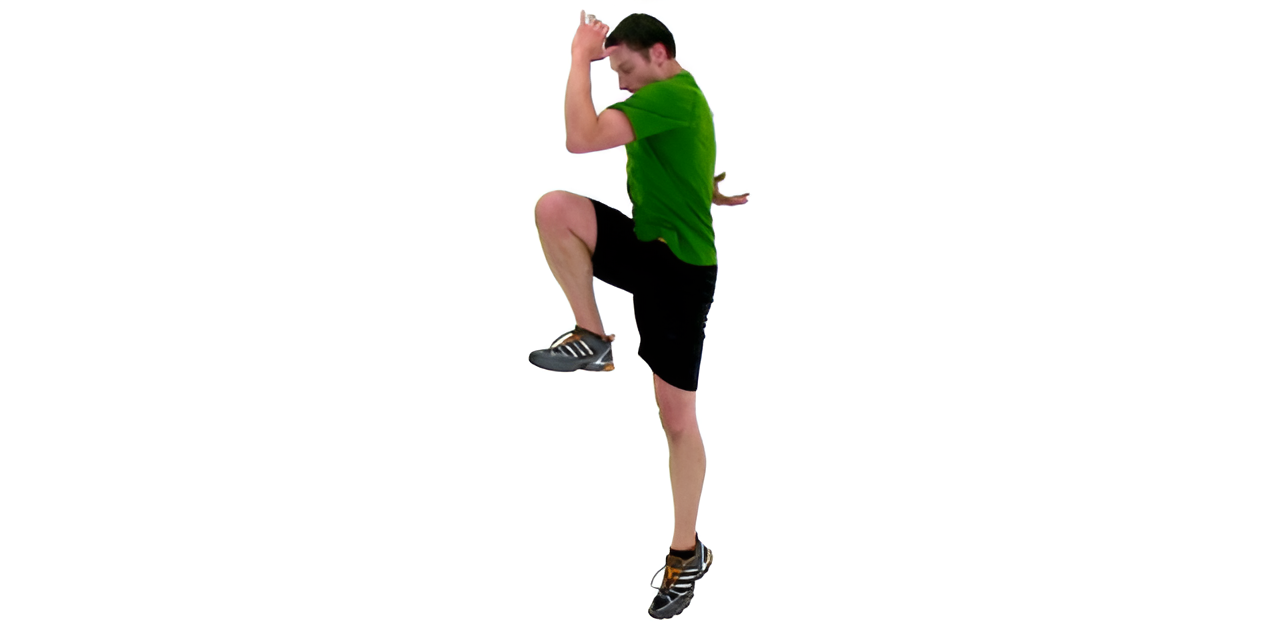
Plyometric and Cardio HIIT for Legs Functional Plyometrics for Endurance Fitness Health Track
One of the best ways to build strength in your legs without equipment or machines is plyometrics and one of the best ways to burn a huge amount of calories in a short amount of time is HIIT (High Intensity Interval Training). So we thought why not combine two great training styles to give you a strength building, calorie obliterating, endurance challenging workout that brings the burn. We feel that we have achieved just that with this Plyometric and Cardio HIIT for Legs, but you can be the judge of that. Because of the nature of plyometrics and HIIT you should not do this routine more than three times a week with full break days in between. If you are new to plyometrics or HIIT then you need to make sure you take your time getting used to the motions and intensity of this workout as it can be very challenging for a beginner. Also if you have any kind of cardiovascular or pulmonary issues and/or chronic joint or musculature injuries talk to your physician before attempting this routine. We have not included a warm up or cool down in this video but they still should be done (we have videos for both). Because of the dynamic motions used in this routine starting cold will greatly increase your chances of injury. Also due to the aggressive nature of the HIIT style workout, doing a cool down is important to flush out the lactic acid and waste products created while exercising. Giving your body time to drop your heart rate slowly and flush out unwanted byproducts can also help with recovery time and a reduction in soreness. Because this routine focuses on the large muscle groups in the legs as well as incorporating muscles in the core and upper body it demands a huge energy output. The exact amount of calories you can burn depends a lot on your gender, height, weight and muscle content however the biggest factor to your calorie burn is how hard you push yourself. If you are pushing yourself to exhaustion with every exercise then you can easily burn from 10-16 calories per minute with this routine but you have to push yourself. Just going through the motions and taking your time can easily cut your calorie burn in half; remember fitness isn’t easy, you have to work for it. The main focus of this routine is HIIT (High Intensity Interval Training). We have set an aggressive 40 seconds of each exercise with a 20 second active rest in between. The actual activities in the active rest can be set to your own desired level of difficulty. You can skip the active recovery by just standing still for your 20 second break or you can start to increase the difficulty by using walking in place, jogging in place, jumping jacks, high knees, burpees, or even jump rope essentially moving further from rest and more to a constant workout. Warm Up (not included in video) Plyometric Workout Single Leg Squat (20 seconds on each side) Burpee (add a push up to make it harder, take out the jump for easier modification) Jumping Lunge Side Hip Raise w/ Oblique Crunch (extend arm fully for harder version) Power Skips (best done over distance if you can) Mt Climbers Lateral Jump Squats Cool down/stretch (not included in video) Your fitness is 100% mental; your body won’t go where your mind doesn’t push it. – Unknown
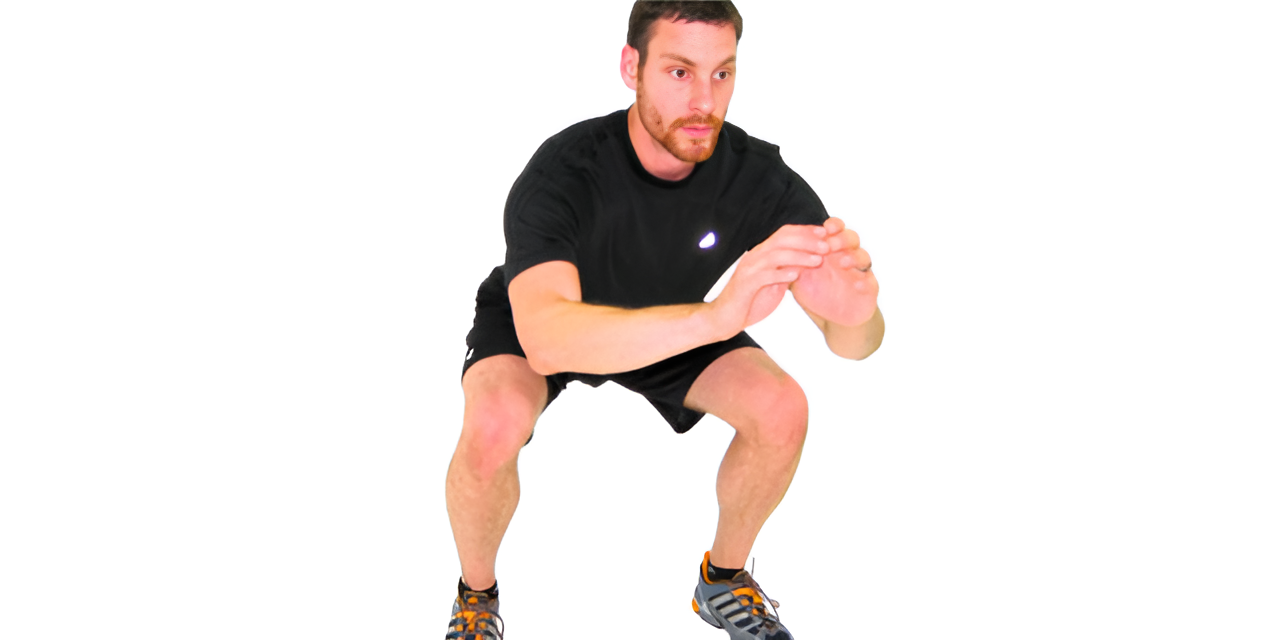
Sports Endurance Workout Stamina, Speed, and Agility Workout Fitness Health Track
Athleticism is a combination of speed, endurance, and agility. All of the exercises in this Sports Endurance & Agility Workout support the ability to move quickly, move with precision, and outlast an opponent. Nearly all of the moves that make up this routine employ the principles of plyometric training, which can help speed/shorten the reaction time of the muscles in the body. Plyometrics can also be great for challenging cardiovascular endurance, especially ones like Burpees, Mountain Climbers and Jumping Lunges – incredibly effective exercises that everyone loves to hate. Soccer, basketball, volleyball, football, trail running and rugby are just a few of the kinds of sports that have players that would benefit immensely from Fitness Health Tracker’s Endurance & Agility Workout. With that said, even if you are not into sports this workout should be of interest to you. Improved balance, cardiovascular threshold, and agility are qualities that should be of interest to anyone who wants to improve their fitness and mobility. As an added bonus, the agility exercises in this routine are also cardio exercises that burn a good deal of calories. Routine Structure: 8 Exercises 16 Repetitions Each 2 Rounds This workout does not include a warm up or cool down, but both are recommended. You can find many options for both Cool Down and Warm Up videos under our Full Length Workout Videos tab. Plyometric Agility Exercises 16 Single Leg Lateral Hops (on each leg) – Build strength and stability through the outside thigh, hip, ankle and knee joint, all while you get your heart rate up. 16 Squat Jumps – Aside from burning a tremendous amount of calories & pushing your lungs to their maximum (in high reps), this lower body exercise is excellent for building explosive strength and speed in the legs. 16 Single Leg Ventral Hops (on each leg) – Learn to maintain control over the direction that your body is going, even while you don’t have a centered balance. 16 Burpees – Burpees are often despised but they are also incredibly effective. It’s an awesome bodyweight exercise that leaves very few muscles not screaming. 16 Lateral Jumps – Another cardiovascular move that lessens the chance of joint injuries by strengthening the muscles that surround and support them. 16 Jumping Lunges (alternating) – Glutes, thighs, abs, calves all pitch in for this one. These hurt, but it’s better that you burn out your lungs and legs while working out alone in your living room, than when you are face to face with an opponent. 16 Agility Dots (each leg, each direction) – These are great for building up the ankle and knee complex. This will help in improving speed of direction changes on the court or field and make it less likely that you roll an ankle while you’re at it. 16 Mountain Climbers – A bodyweight cardio workout that tones the arms, abs, quads, glutes, and hamstrings. Remember to cool down and stretch when you are finished. During the off season, do this workout a few times a week in combination with Fitness Health Tracker’s cardio and strength training workouts in order to improve your performance for your sport. Once you are back to your sport full time you should still aim to do this 1-2 times a week in order to maintain the gains that you made. Calories burned We estimate that this workout burns between 8-13 calories per minute, or 112-182 total. You could always increase the challenge and the calorie burn by wearing a weighted vest while you do the workout.
Dynamic Total Body HIIT and Core Workout Fitness Health Track
Two of our most popular types of workout videos have to be HIIT and Core, so with this routine we thought we would pack both of these popular styles into the same workout. To add a little more of a spin to this routine we have also use combination movements for the HIIT exercises making it not only hard for your muscles but also hard for your brain. After all, you need to exercise your brain just like you would a muscle to make sure it stays sharp as you age. With this 38+ minute workout we have set up multiple types of movements in different groups. We of course start off with a quick 5 minute warm up but feel free to do more if you have been particularly sedentary before starting this video or if you are just a bit stiff from a workout the day before. Once done with the warm up we start immediately with the first of three HIIT sections, each with their own particular style. Each HIIT section will be roughly 6 minutes long and consists of three groups of two exercises that we will be doing in an AB, AB format with our typical 20 seconds of work and 10 seconds of rest. There will not be any extra rest between groups so be sure to pay attention to what is coming up after each group is done. In between each HIIT section we have also included a quick Core focused section to tone and strengthen your abdominals, obliques, and lower back. Each Core section will be roughly 2 minutes in length and consist of two individual exercises done for 50 seconds straight with a quick 10 second break to move into position for the second exercise in each section. As with any routine, try and challenge yourself but be sure to keep your form under control. Because of the dynamic style of routine it may take you a few times through until you are comfortable enough with the movements to really challenge yourself. If you need to modify these exercises to make them easier or lower impact feel free as you should never feel as though you have to do these workouts exactly as we show them but should instead modify them to your needs so you can get the best workout for your needs and/or restrictions. Hope you enjoy this routine and please let us know your thoughts in the comment section below. Warm Up: 5 Minutes – Arm Circles – Side Step Arm Cross – Torso twist with Knee – Toe touch Sweeps – Warrior Overhead Reach L – Warrior Overhead Reach R – Squatting Push Pull – Boxer Shuffle – Up and Outs – Jumping Jack HIIT: Round 1 – 6 Minutes; 20 Seconds On, 10 Off, 2 Sets Each – Burpee / Push Up – Toe Touch Get Up – Quick Feet Burpee – Lateral / Squat Jump – Star Jump / Burpee – Sumo to Lunge Jump Core: Round 1 – 2 Minutes; 50 On, 10 Off, 1 Set Each – Crisscross Crunch – Toe Touch Crunch HIIT: Round 2 – 6 Minutes – High Knee / Jumping Jack (4 count :1) – Mt. Climbers – Squat Jack / Jump (3 Count :1) – Lizard Hops – Front Jack / Squat Pops (2 Count :2) – Seal Push Up Core: Round 2 – 2 Minutes – Russian Twist – Back Bow Twist HIIT: Round 3 – 6 Minutes – Star Jump / Knee – Walk Down / Plank Knee – Burpee / Jab Cross – Supine Push Up / Toe Touch Get Up – Jumping Lunge / Uppercut – Jab Cross L/R Core: Round 3 – 2 Minutes – Side Hip Raise L – Side Hip Raise R Cool Down: 5 Minutes – Free form Workout Complete!
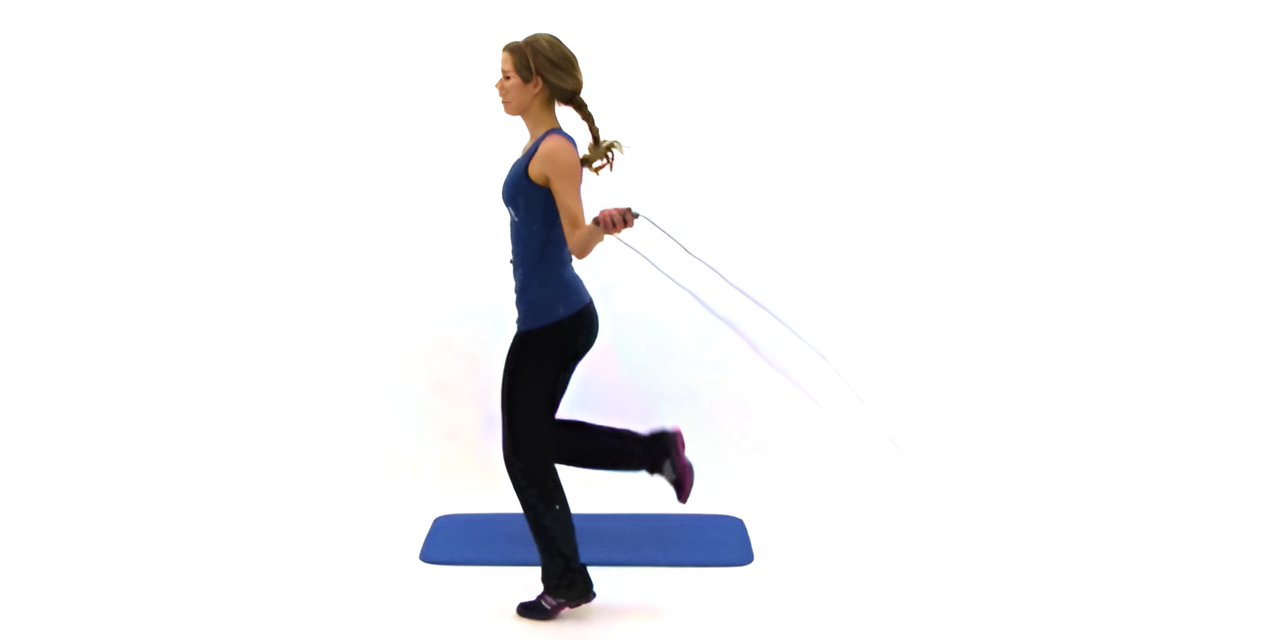
Jump Rope Weight Loss Routine 20 Minute Home Cardio Workout Fitness Health Track
Short, intense bouts of activity & increased muscle mass are the only proven ways to give your metabolism a boost; this 20 Minute Home Cardio Workout video is a perfect example of a training style that will stoke your body’s fat burning furnace (particularly in conjunction with a strength training routine meant to increase lean muscle mass). Here’s how this routine works; there are 60 second intervals of a few different styles of jumping rope, with 14 repetitions of a bodyweight toning exercise between each minute of the high intensity cardio. There are three rounds total, for a workout time of 20 minutes. We estimate that this routine can burn 198-285 calories. That’s more than you will burn on any elliptical, and you would have to run at 7-8 miles per hour for 20 minutes without rest to get the same caloric burn from a treadmill. This routine on the other hand, requires only a jump rope, build coordination, gives you short breathers to catch your breath between intervals, and also includes some toning exercises. About the exercises that make up this Jump Rope Weight Loss Routine: 60 Seconds Jumping Rope, Skipping – Kick one foot out in front of your body as the other hops under one passing of the rope. This requires a bit of coordination and it might take you a couple of tries to get the feel of it, if you haven’t touched a jumping rope since first grade. Tricep Push Ups – This variation of a push up still targets your chest and engages the abs in a similar fashion to the original version, but it’s main focus is those tricep muscles. You can do this bodyweight exercise from your knees, or go up onto your toes to make it more challenging. 60 Seconds Jumping Rope, Two Foot Hop – You can make this one a bit harder & target the upper body better by speeding up the rotation of the rope so that each time you hop, the rope passes under your feet. Crisscross Crunch – This is a fantastic exercise for the obliques, abdominals, hip flexors and quads. Because it engages so many muscle groups, it burns an exceptionally high number of calories for an abs exercise. 60 Seconds Jumping Rope, Jogging – This jumping rope style is simply jogging in place in time with the passing of the cord under your feet. Because you’re coordinating the rotations, your upper body gets a workout that it normally wouldn’t, plus your feet are forced to become more agile. Alternating Lunges – One of the best moves you can do to tone and shape the thighs and glutes, this also engages the calves and core for stabilization. 60 Seconds Jumping Rope, Single Foot (alternating) – Just in case your calves were not already completely burnt out, we added in a round of single foot hopping. Watch for the cues on when to switch the foot you are hopping on; it’s roughly every 15 hops that you will need to switch to the opposite foot. Heads up! This jump rope workout video will leave you sore if you haven’t used this simple cardio tool in a while – even if you are an avid exerciser. Make sure that you are okay with being a bit sore (in a good way) the next day and make sure to warm up and cool down to lessen the intensity of stiff muscles.
Beginner-Friendly Cardio Warm Up Fitness Health Track
This low impact cardio workout makes a great warm up leading into a more intense workout, and it also makes a great short standalone workout. The light total body cardio intervals get the blood flowing and the muscles warmed up and ready for more intense work. A good warm up is essential for a good workout; it helps you push harder during your actual workout, and more safely than on cold muscles. You can imagine this general effect yourself by considering the way it feels to do 10 jump squats with totally warmed up lower body muscles and lungs, compared to 10 jump squats on cold muscles and lungs that haven’t been warmed up gradually — please note I don’t actually recommend trying it, because it won’t feel great and you could pull a muscle! There are a lot of different populations that actually benefit from a longer warm up (seniors, people with asthma, arthritis, joint issues, etc) so not only should you not skip your warm up, you may even want to consider lengthening it for better performance and a further decreased likelihood of injury. The exercises in this routine have an emphasis on lower body driven cardio, but I’ve also added in upper body moves that are specifically meant to open up the chest and provide relief to the muscles that get most neglected after spending time sitting at a desk or on a couch. You can move quickly through these exercises in order to raise the heart rate and start warming up your lungs and muscles for more intense activity, or you can slow all of these motions down and turn them into a sort of dynamic active stretch. You won’t need any equipment for this workout at all, though you could always hold onto weights to step up the challenge of the intervals (as long as you’re already warmed up!). If the total body movements feel like a coordination challenge, don’t be surprised. If it proves too challenging on the coordination, I recommend taking just a second at the start of each interval to become familiar with the basic footwork, and then add in the arm movements. Move at whatever pace suits you, and feel free to change whatever you need to in order to make the exercises work for you. Workout Structure No Equipment Low impact Makes a great warm up or standalone cardio workout 10 Minutes, 6 Exercises Cool down not included Printable Cardio Workout: 40 Seconds on, 10 seconds off, twice through in an ABAB format A – Long Lateral Steps (+Curtsy Tap behind body) + Fly B – Pivot Steps + Rainbow Reach A – 2 Single Arm Circles + Step Back & Circle both Arms B – High Knees: 2 Curls + 1 Ventral Raise (Ventral Raise on every 3rd High Knee) A – 2 Slow Runner Pulls + Front Kick & Switch B – Heel Tap Behind Body + Toe Tap In Front + Arms I have always found that quick routines like this can help shake me out of a rut — that just a little bit of movement can make for quite a shift, mentally and/or physically. It’s just another good reminder that a smart workout is not always intense, lengthy, sweaty, or followed by sore muscles. Do you implement workouts or short bouts of activity throughout your day, in order to wake up your mind and body? If so, how do you make it work? I’m interested to hear from those of you that work short routines into your day; what’s your strategy? I hope you enjoy this new short cardio routine. Let me know what you would like to see next!
2 Week Challenge Day 5: Pilates Core Workout Fitness Health Track
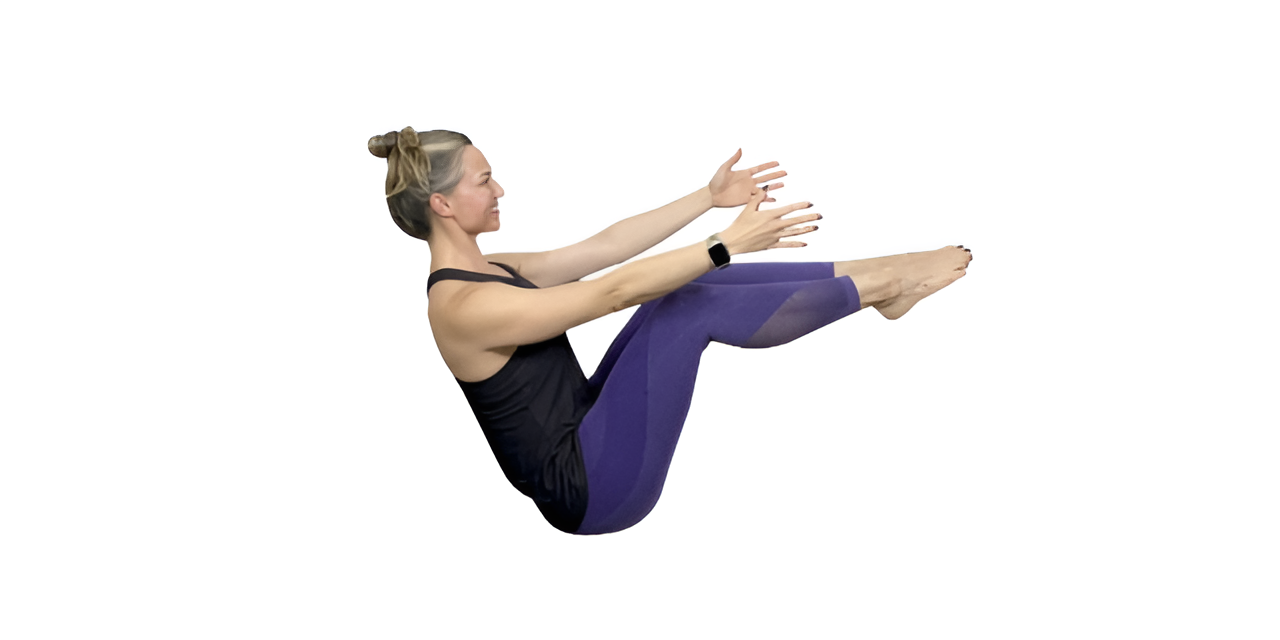
Welcome to Day 5 of Fitness Health Track’s Free 2 Week Challenge! (note: there is no day 6 or 7, jump straight to day 8) Today, we are focusing on your core in this Pilates routine. This “no repeats” workout should feel great after all your hard work over the past four days. **Workout Highlights** • 32 minutes, 3/5 difficulty • 45 seconds on // 15 seconds off • Equipment: exercise mat • Warm-up and cool-down included • Two water breaks • Scroll down for modifications This 32-minute workout has a 4-minute warm-up and a cool-down of the same length at the end. The body of the workout is about 20 minutes with no repeated exercises. The warm-up consists of exercises to help you engage your deep abdominal muscles and prepare them for this Pilates routine. The cool-down has some great stretches for your body, but feel free to do your own stretches if you prefer. If you have been doing Pilates with me for a while, you will notice an exercise we haven’t done before: the Saw! This exercise is excellent for simultaneously targeting your core and stretching your hammies and spine! If the Saw is new to you, here is a breakdown of the exercise: Begin by lying on your back, inhale to prepare, then exhale and roll yourself up to a tall sitting position with your arms out in front of you. Keep length in your spine as you twist your trunk to the left, then reach your right hand towards the outside of your left foot. Keep both sit bones anchored in the mat. Return to the tall sitting position, then slowly roll your spine down one vertebra at a time. Repeat and twist to the right. Since this is a Pilates-based routine, I want to mention the rib-to-hip connection. That means engaging your abdominals to bring your ribs closer to your hips or pelvis without rounding forward or arching your spine backward. Keep your spine straight, chest up, and rib cage down. When the ribs and hips are “connected,” you are in a neutral spine position. Here are some suggestions for modifications: • Half Roll Downs – keep your hands on the back of your thighs • Hundreds – three options for leg position: • Tabletop • Knees straight, toes up to the ceiling • Legs straight on the 45-degree angle • Side Plank – if keeping your leg lifted is too challenging, you can place your toes on the ground • Teasers – three options: • Knees bent, keep feet on the floor • Lift bent knees off the floor (think boat pose in yoga) • Full Teaser with straight legs WORKOUT Warm-Up (4 ish minutes) 35 seconds each Cat/Camel Bear Knee Lifts Half Roll Downs Deadbugs – R Arm/L Leg Deadbugs – L Arm/R Leg Bridges Plank/Runner’s Lunge Workout (20 minutes) 45 seconds on // 15 seconds off Oblique Ankle Touches Single Leg Stretch Crunch – R Single Leg Stretch Crunch – L Hundreds *Water Break* Scissors Bicycles Saw Quadruped Knee To Elbow (KTE) – R arm, L leg Quadruped KTE – L arm, R leg Side Plank/Leg Lifts – R Side Plank/KTE – R Side Plank/Leg Pulse/Waist Wrap – R Side Plank/Leg Lifts – L Side Plank/KTE – L Side Plank/Leg Pulses/Waist Wrap – L *Water Break* Side Hip IR/Abduction – L Sidelying Fire Hydrants – L Sidelying Hip IR to Abduction – R Sidelying Fire Hydrants – R Teasers Cool-Down (4 minutes) 35 seconds each Hamstrings – R Hamstrings – L Piriformis – R Piriformis – L Hip Flexors – R Hip Flexors – L Alternating Mermaid I hope you enjoyed Day 5 of this challenge. Thanks for working out with me! Happy Exercising!
Beginner Exercises for Balance 15 Minute Beginner Balance Workout Fitness Health Track
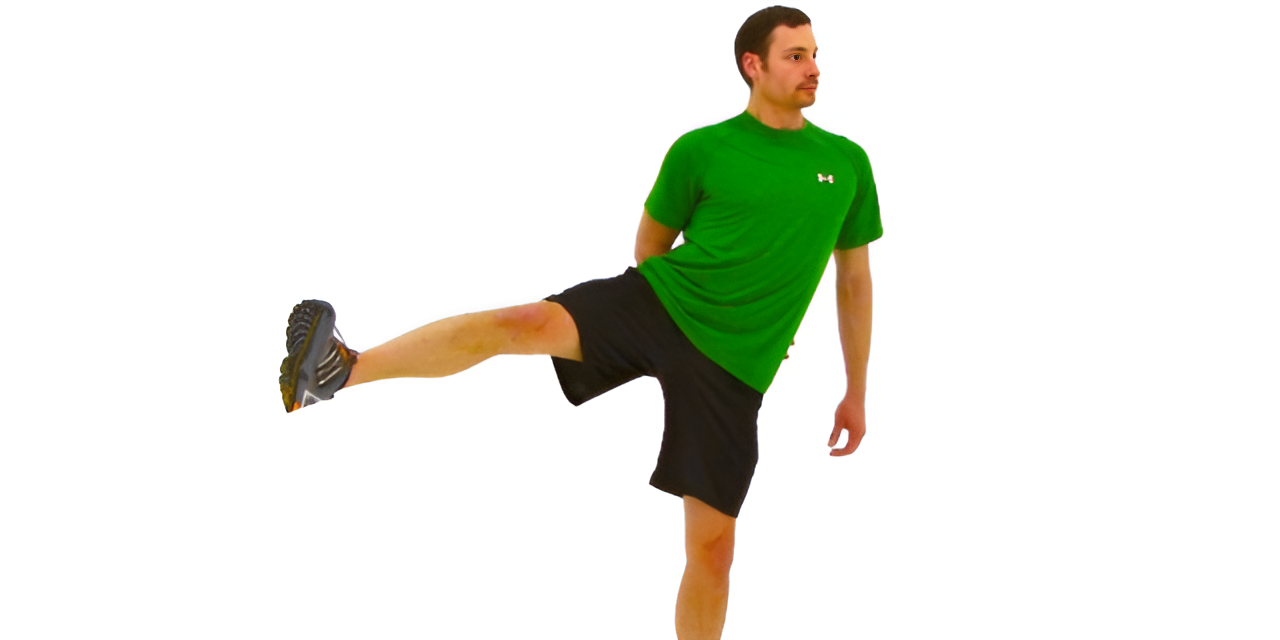
Balance training exercises are incredibly important for everyone from the elderly to professional athletes. It is one of the pillars of true fitness, and it just as important as cardiovascular health, strength, and flexibility. What this workout does This routine is excellent for both building balance and toning your body. That’s right, while you are building up your coordination and dexterity, you will also be toning your glutes, thighs, core, and upper body. You’re also going to burn a fair number of calories. You will need… An exercise mat and a physioball. How this routine is structured In this video, we have hand selected 8 different exercises for balance improvement. Our video will show you a demonstration of each exercise before you will begin; this will serve to prep you for the next move, as well as to give you a very short (10 second) breather before we jump into the next movement. There is only 1 round and the workout is 15 minutes total. Calories burned in this workout In the short 15 minutes of this video, a person will burn between 75 and 110 calories. How often to do these exercises for balance These are all relatively low impact moves. Whether used for toning or coordination improvement, you could do this 3-6 times a week. Exercises in this Fitness Health Track workout video Ice Skaters – These are fantastic for toning the glutes and thighs. They also build stability and engage the core muscles. Hold onto a chair if you feel wobbly. Single Leg Dead Lifts – You will feel this in your glutes, hamstrings, and lower back. Modify this move to make it harder by doing the dead lifts with both feet on the ground. Make it harder by doing it on one leg and holding onto a weight as you lower to the ground. Single Leg Overhead Crossovers – While you make the passing motion, upper body muscles have to work in a full range of motion and your lower body must keep you steady and upright. Single Leg Head Nods – To do these, imagine that you are using your nose to write a capital “H”, with the head turn being the connective bar of the H and the nods on each side being the “legs” of the H. This is deceptively difficult, but if you find that you are cruising along without feeling challenged, try closing your eyes while doing the motion. If you can do this exercise without feeling challenged, you should consider moving onto our advanced version (see video library). Kneeling Superman – This is a low impact total body exercise that improves your balance, largely by increasing your core strength. If you need to make this exercise easier, you can modify the move by only lifting one limb at a time, which gives you a more solid platform to do the extensions from. Physioball Full Superman – Make sure that you don’t have anything that you can run into while you do these! You might feel a little silly while doing this one but they work to improve overall agility and control over one’s body. You will feel this one predominately in your lower back muscles. Alternating Rotational Lunges – The rotation while in the lunge position challenges equilibrium. Hold onto a weighted object while you do these to make them more difficult. These are excellent for your butt, thighs, and obliques. Agility Dots (both feet) – You can make agility dotes harder by doing them on only one foot (instead of the more stable option of two feet). This Balance Workout for beginners is not necessarily completely easy, particularly if you have not trained for this particular aspect of fitness. If you need to make any of the moves easier, you can always stand close to a wall or chair in order to have extra support readily available should you start to feel as though you are losing your stability. If you complete this routine and feel as though it was too easy or did not challenge you enough, be sure and check out our Advanced Balance Workout.